

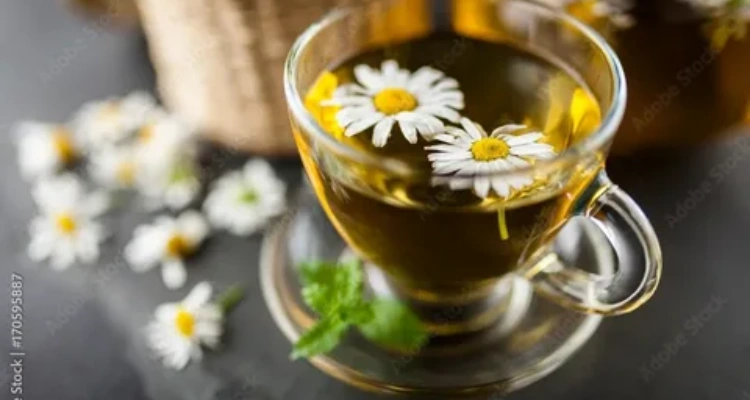
As parents, we often look for gentle, natural ways to support our children’s health, especially when they’re feeling under the weather. While teas and infusions have been used for centuries to soothe ailments and promote well-being, not all are suitable for children. The question is: Which natural teas and infusions are safe for kids, and which should be avoided?
In this article, we’ll explore safe and natural teas and infusions that can benefit your child’s health, as well as those that should be avoided. Whether you’re looking to ease a cough, calm a restless child, or boost their immunity, this guide will provide you with practical, evidence-based advice to make informed choices.
Discover safe natural teas and infusions for children, along with tips on what to avoid. Learn how to use these remedies to support your child’s health naturally.
Why Consider Natural Teas and Infusions for Children?
Natural teas and infusions can be a wonderful way to support your child’s health, especially when used correctly. They are often gentler than over-the-counter medications and can provide relief for common issues like colds, digestive discomfort, or trouble sleeping. However, it’s important to remember that children’s bodies are more sensitive than adults’, and not all herbs are safe for them.
By choosing safe and natural teas, you can harness the power of plants to help your child feel better without exposing them to unnecessary risks. Let’s dive into the best options and what to steer clear of.
1. Chamomile Tea
Why It’s Safe and Beneficial
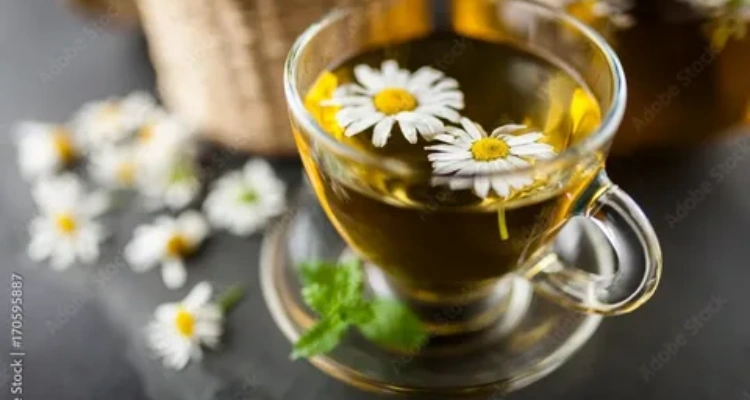
Chamomile is one of the most well-known herbs for its calming properties. It can help soothe anxiety, promote better sleep, and even ease mild digestive issues.
How to Use
- Steep 1 teaspoon of dried chamomile flowers in hot water for 5 minutes.
- Let it cool to a safe temperature before serving.
Tip: Offer a small cup before bedtime to help your child relax.
2. Peppermint Tea
Why It’s Safe and Beneficial
Peppermint is excellent for relieving digestive discomfort, such as bloating or nausea. It also has a refreshing flavor that kids often enjoy.
How to Use
- Use 1 teaspoon of dried peppermint leaves per cup of hot water.
- Steep for 5 minutes and let it cool.
Note: Avoid peppermint tea for children under 2 years old, as it can cause breathing difficulties in very young children.
3. Ginger Tea
Why It’s Safe and Beneficial
Ginger is a natural anti-inflammatory and can help ease nausea, cold symptoms, and sore throats.
How to Use
- Slice fresh ginger and steep in hot water for 10 minutes.
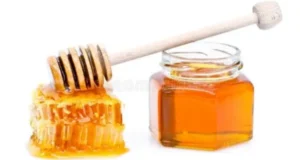
- Add a teaspoon of honey for sweetness (for children over 1 year old).
Tip: Serve warm but not hot to avoid burns.
4. Lemon Balm Tea
Why It’s Safe and Beneficial
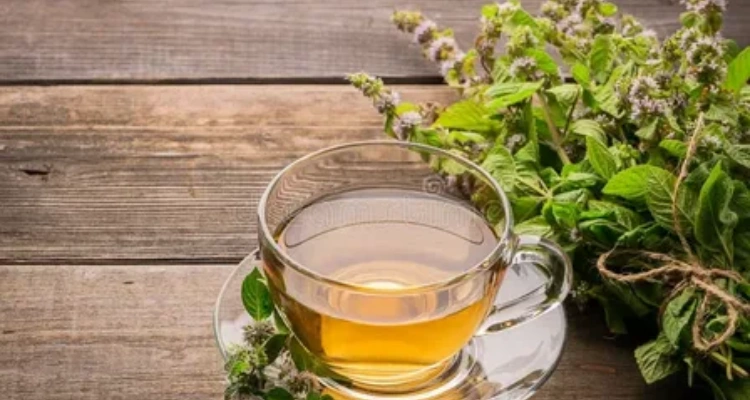
Lemon balm is known for its calming effects and can help reduce stress and improve sleep quality.
How to Use
- Steep 1 teaspoon of dried lemon balm leaves in hot water for 5-7 minutes.
- Let it cool before serving.
Tip: Combine with chamomile for an extra-soothing blend.
5. Fennel Tea
Why It’s Safe and Beneficial
Fennel is great for relieving gas and colic in infants and young children. It has a mild, sweet flavor that kids usually like.
How to Use
- Use 1 teaspoon of crushed fennel seeds per cup of hot water.
- Steep for 10 minutes and strain before serving.
Note: Always consult your pediatrician before giving fennel tea to infants.
6. Rooibos Tea
Why It’s Safe and Beneficial
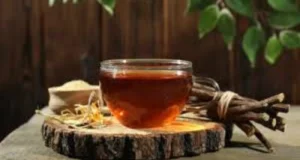
Rooibos is caffeine-free and rich in antioxidants, making it a safe and healthy option for children.
How to Use
- Steep 1 teaspoon of rooibos leaves in hot water for 5 minutes.
- Serve warm or chilled.
Tip: Add a splash of milk or a drizzle of honey for extra flavor.
7. Elderberry Infusion
Why It’s Safe and Beneficial
Elderberry is known for its immune-boosting properties and can help fight colds and flu.
How to Use
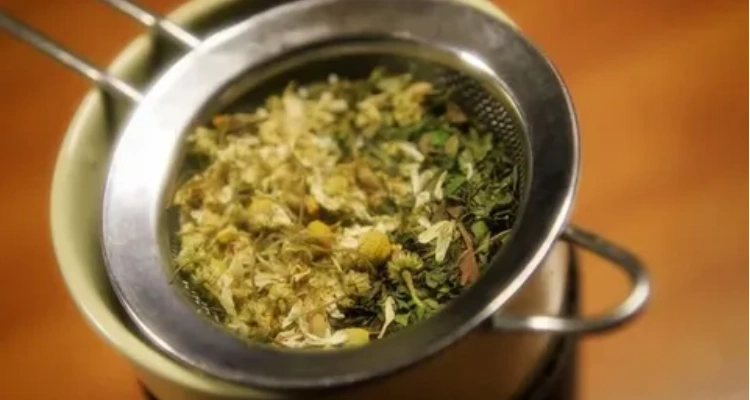
- Steep dried elderberries in hot water for 10-15 minutes.
- Strain and serve warm.
Note: Use only ripe elderberries, as unripe ones can be toxic.
What to Avoid: Unsafe Teas and Infusions for Children
While many teas and infusions are safe for children, some should be avoided due to potential side effects or toxicity. Here are a few to steer clear of:
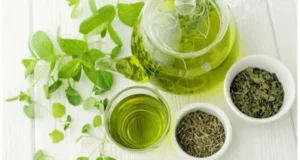
- Black and Green Tea: These contain caffeine, which can overstimulate children and disrupt their sleep.
- Licorice Root: High doses can lead to high blood pressure and other health issues.
- Echinacea: Not recommended for children under 12 due to limited research on its safety.
- Kava Kava: Can cause liver damage and is not safe for children.
- St. John’s Wort: May interact with medications and is not suitable for kids.
Tips for Preparing Teas and Infusions for Children
- Dilute the Tea: Use less herb and more water to make a milder infusion.
- Serve at Room Temperature: Always let the tea cool to avoid burns.
- Sweeten Naturally: Add a small amount of honey (for children over 1 year old) or a slice of fruit for flavor.
- Consult a Professional: When in doubt, talk to your pediatrician or a qualified herbalist.
Summary of Key Points
- Chamomile tea is calming and great for sleep and digestion.
- Peppermint tea can ease digestive discomfort (avoid for children under 2).
- Ginger tea helps with nausea and cold symptoms.
- Lemon balm tea reduces stress and promotes relaxation.
- Fennel tea is ideal for relieving gas and colic.
- Rooibos tea is caffeine-free and rich in antioxidants.
- Elderberry infusion supports the immune system.
- Avoid teas with caffeine, licorice root, echinacea, kava kava, and St. John’s Wort.
Conclusion
Natural teas and infusions can be a wonderful addition to your child’s wellness routine when used safely and appropriately. By choosing the right herbs and preparing them correctly, you can provide gentle, effective support for your child’s health.
Have you tried any of these teas with your children? Share your experiences in the comments below, and don’t forget to explore more tips on Your Natural Health for keeping your family happy and healthy!
“Found these tips helpful? Share this article with other parents and help them discover safe and natural teas for their kids!”