
For many women, PMS (Premenstrual Syndrome) and menopause are more than just phases of life—they’re challenges that can disrupt daily routines, moods, and overall well-being. From mood swings and bloating to hot flashes and sleepless nights, these symptoms can feel overwhelming. But what if there were natural ways to find relief?
In this article, we’ll explore natural remedies that can help alleviate the symptoms of PMS and menopause. These solutions are gentle, effective, and rooted in nature, offering you a way to regain balance and feel your best. Whether you’re looking for dietary tips, herbal remedies, or lifestyle changes, this guide has you covered.
Discover natural remedies to relieve PMS and menopause symptoms. Learn how to use diet, herbs, and lifestyle changes to ease discomfort and improve your well-being.
Understanding PMS and Menopause
Before diving into remedies, it’s important to understand what causes PMS and menopause symptoms. PMS occurs in the days leading up to menstruation and is linked to hormonal fluctuations, particularly in estrogen and progesterone. Symptoms can include mood swings, cramps, bloating, and fatigue.
Menopause, on the other hand, marks the end of a woman’s reproductive years and is characterized by a decline in estrogen levels. This transition can bring symptoms like hot flashes, night sweats, mood changes, and sleep disturbances.
While these experiences are natural, they don’t have to be unbearable. By incorporating natural remedies, you can support your body and ease these symptoms.
1. Dietary Changes to Balance Hormones
Why It’s Important
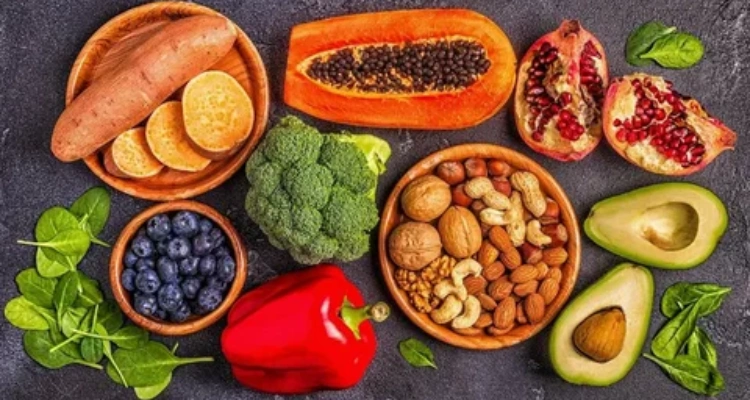
What you eat plays a significant role in hormone regulation. Certain foods can help balance hormones, reduce inflammation, and alleviate symptoms.
What to Include
- Leafy Greens: Rich in magnesium, which helps reduce cramps and mood swings.
- Fatty Fish: High in omega-3s, which reduce inflammation and support hormone production.
- Whole Grains: Provide steady energy and help regulate blood sugar levels.
- Fermented Foods: Support gut health, which is closely linked to hormonal balance.
What to Avoid
- Processed Foods: High in sugar and unhealthy fats, which can worsen symptoms.
- Caffeine: May increase anxiety and disrupt sleep.
- Alcohol: Can exacerbate hot flashes and mood swings.
2. Herbal Remedies for Symptom Relief
Why They’re Beneficial
Herbs have been used for centuries to support women’s health. They can help regulate hormones, reduce stress, and alleviate specific symptoms.
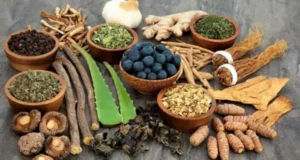
Top Herbs to Try
- Chasteberry (Vitex): Helps balance hormones and reduce PMS symptoms like bloating and irritability.
- Black Cohosh: Known to ease hot flashes and night sweats during menopause.
- Dong Quai: Often called the “female ginseng,” it supports hormonal balance and reduces cramps.
- Evening Primrose Oil: Rich in gamma-linolenic acid (GLA), which helps reduce breast tenderness and mood swings.
How to Use
- Brew herbal teas or take supplements as directed.
- Always consult a healthcare provider before starting any new herb, especially if you’re on medication.
3. Essential Oils for Emotional and Physical Relief
Why They’re Beneficial
Essential oils can provide both emotional and physical relief, helping to calm the mind and soothe the body.
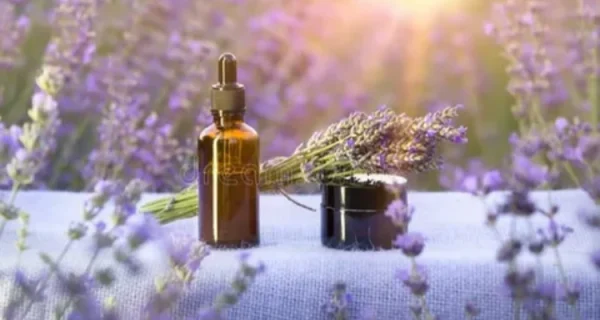
Best Essential Oils
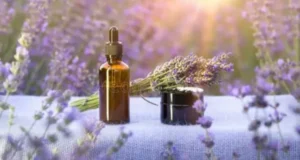
- Lavender: Promotes relaxation and improves sleep quality.
- Clary Sage: Helps balance hormones and reduce menstrual cramps.
- Peppermint: Eases headaches and provides a cooling effect for hot flashes.
How to Use
- Add a few drops to a diffuser or mix with a carrier oil for topical application.
- Use during meditation or before bedtime for maximum relaxation.
4. Exercise and Movement
Why It’s Important
Regular physical activity can help regulate hormones, reduce stress, and improve mood. It also supports overall health, which is crucial during PMS and menopause.
Best Types of Exercise
- Yoga: Combines movement with mindfulness, reducing stress and improving flexibility.
- Walking: A low-impact way to boost mood and energy levels.
- Strength Training: Helps maintain bone density, which is especially important during menopause.

Tips for Getting Started
- Aim for at least 30 minutes of moderate exercise most days of the week.
- Choose activities you enjoy to stay motivated.
5. Stress Management Techniques
Why It’s Important
Stress can exacerbate PMS and menopause symptoms by disrupting hormone balance. Learning to manage stress is key to finding relief.
Effective Techniques
- Meditation: Helps calm the mind and reduce anxiety.
- Deep Breathing: Promotes relaxation and reduces tension.
- Journaling: Allows you to process emotions and track symptoms.
How to Incorporate
- Set aside 10-15 minutes daily for mindfulness practices.
- Create a calming bedtime routine to improve sleep quality.
6. Hydration and Herbal Teas
Why It’s Important
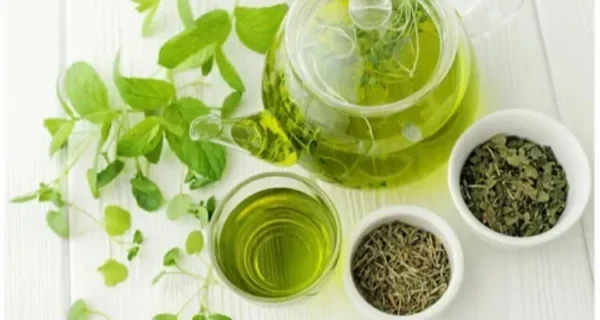
Staying hydrated is essential for overall health and can help reduce bloating and fatigue. Herbal teas, in particular, offer additional benefits.
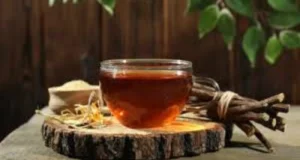
Best Herbal Teas
- Ginger Tea: Eases nausea and cramps.
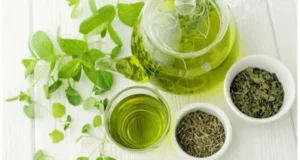
- Chamomile Tea: Promotes relaxation and reduces stress.
- Peppermint Tea: Soothes digestive issues and provides a cooling effect.
How to Use
- Drink at least 8 glasses of water daily.
- Enjoy herbal teas throughout the day or before bedtime.
7. Sleep Hygiene for Better Rest
Why It’s Important
Poor sleep can worsen PMS and menopause symptoms, creating a vicious cycle. Improving sleep hygiene can make a big difference.
Tips for Better Sleep
- Stick to a consistent sleep schedule.
- Create a cool, dark, and quiet sleep environment.
- Avoid screens and caffeine before bedtime.

Summary of Key Points
- Dietary changes like eating leafy greens and avoiding processed foods can balance hormones.
- Herbal remedies such as chasteberry and black cohosh offer natural symptom relief.
- Essential oils like lavender and clary sage promote relaxation and ease discomfort.
- Regular exercise supports hormone regulation and improves mood.
- Stress management techniques like meditation and journaling reduce anxiety.
- Hydration and herbal teas help reduce bloating and promote relaxation.
- Sleep hygiene practices improve rest and overall well-being.
Conclusion
PMS and menopause are natural phases of life, but they don’t have to be overwhelming. By incorporating these natural remedies, you can ease symptoms and feel more in control of your health. Remember, small changes can lead to significant improvements over time.
Have you tried any of these remedies? Share your experiences in the comments below, and don’t forget to explore more tips on Your Natural Health for living your best life!
“Found these tips helpful? Share this article with other women and help them discover natural ways to relieve PMS and menopause symptoms!”