


Your Natural Health, Digestive Health
Discover the benefits of natural probiotic foods and how they improve your digestive health. Learn what these foods are and how they support your natural health.
Introduction
Have you ever felt bloated or experienced discomfort in your stomach after a meal? Or maybe you’ve noticed that your digestion isn’t as smooth as it used to be. These issues are common, but did you know that natural probiotic foods can play a significant role in improving your digestive health? In this article, we’ll explore what natural probiotic foods are, how they benefit your intestinal health, and how you can incorporate them into your diet. Let’s embark on this journey to better understand and embrace your natural health and digestive health.
What Are Probiotics?
Your Natural Health, Digestive Health
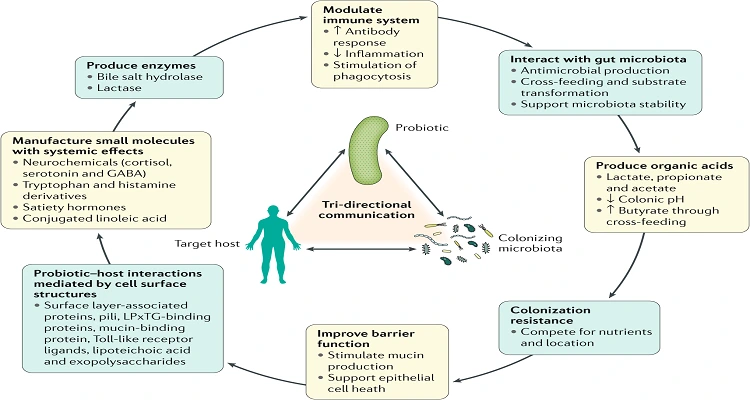
Probiotics are live microorganisms, mainly bacteria, that provide numerous health benefits when consumed in adequate amounts. These “good” bacteria help maintain a healthy balance in your gut microbiota, which is essential for your digestive health and overall well-being. At the start of the second paragraph, let’s delve into the specifics. Probiotics can be found in various foods and supplements, and they work by restoring the natural balance of gut bacteria disrupted by factors like poor diet, stress, or antibiotics.
Types of Probiotics
Probiotics come in different strains, each with its own unique benefits. Some of the most common types include:
- Lactobacillus: Found in yogurt and other fermented foods. This strain helps with digestion and supports immune health.
- Bifidobacterium: Present in some dairy products. It helps ease symptoms of irritable bowel syndrome (IBS) and promotes overall gut health.
- Saccharomyces: A beneficial yeast found in probiotics that helps combat diarrhea and improves gut health.
The Benefits of Probiotic Foods
Your Natural Health, Digestive Health
Incorporating probiotic foods into your diet can bring a plethora of benefits to your digestive health. Here’s how these natural wonders can support your intestinal health:
Improved Digestion
Probiotics aid in breaking down food, making it easier for your body to absorb nutrients. They help in the digestion of lactose, which is especially beneficial for people who are lactose intolerant.
Enhanced Immune Function
A significant portion of your immune system resides in your gut. Probiotics help strengthen your gut barrier and stimulate the production of antibodies, enhancing your body’s ability to fight off infections.
Reduced Symptoms of Digestive Disorders
Probiotics can alleviate symptoms of various digestive disorders such as IBS, inflammatory bowel disease (IBD), and gastroenteritis. They help reduce bloating, gas, and abdominal pain.
Balance of Gut Microbiota
Probiotics help maintain a healthy balance of gut bacteria, which is crucial for your overall digestive health. They prevent the overgrowth of harmful bacteria and promote the growth of beneficial ones.

Top Natural Probiotic Foods
Your Natural Health, Digestive Health
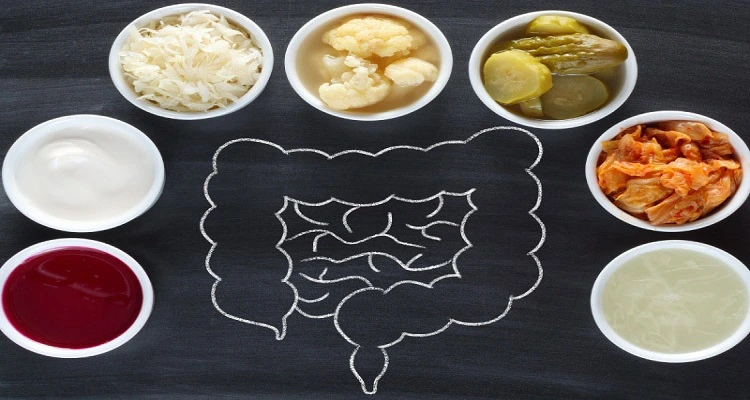
Now that we understand the benefits of probiotics, let’s explore some of the top natural probiotic foods that you can easily incorporate into your diet.
Yogurt
Yogurt is one of the most well-known probiotic foods. It’s made by fermenting milk with beneficial bacteria, primarily Lactobacillus and Bifidobacterium. Look for yogurts labeled with “live and active cultures” to ensure you’re getting the probiotic benefits.
Kefir
Kefir is a fermented milk drink that’s packed with probiotics. It’s similar to yogurt but has a thinner consistency and a more diverse range of probiotic strains. Kefir can be enjoyed on its own or added to smoothies.
Sauerkraut
Sauerkraut is fermented cabbage that’s rich in probiotics and vitamins. The fermentation process creates beneficial bacteria that support your digestive health. It’s a great addition to sandwiches, salads, and as a side dish.
Kimchi
Kimchi is a traditional Korean dish made from fermented vegetables, usually cabbage and radishes. It’s spicy and tangy, with a wealth of probiotics that promote gut health. Kimchi can be enjoyed on its own or used as a condiment.
Miso
Miso is a fermented soybean paste commonly used in Japanese cuisine. It’s rich in probiotics and adds a savory umami flavor to soups, sauces, and marinades.
Tempeh
Tempeh is a fermented soybean product that’s high in protein and probiotics. It has a firm texture and a nutty flavor, making it a versatile ingredient in various dishes, including stir-fries and salads.
Pickles
Pickles, especially those made through natural fermentation, are a tasty source of probiotics. Look for pickles that are naturally fermented without vinegar to ensure they contain live bacteria.
How to Incorporate Probiotic Foods into Your Diet
Your Natural Health, Digestive Health
Incorporating probiotic foods into your diet doesn’t have to be complicated. Here are some simple and delicious ways to include these foods in your daily meals:
Breakfast
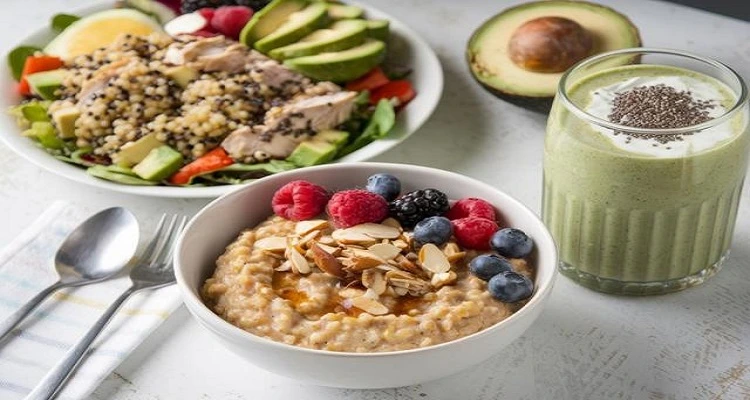
- Start your day with a bowl of yogurt topped with fresh fruits and granola.
- Add kefir to your morning smoothie for an extra probiotic boost.
Lunch
- Enjoy a salad with a side of sauerkraut or kimchi.
- Make a tempeh stir-fry with your favorite vegetables and a savory sauce.
Dinner
- Add a spoonful of miso to your soup or use it as a marinade for fish or tofu.
- Serve naturally fermented pickles as a side dish with your meal.
Snacks
- Snack on raw vegetables with a probiotic-rich dip made from yogurt or kefir.
- Enjoy a glass of kombucha, a fermented tea drink that’s rich in probiotics.
Tips for Maximizing the Benefits of Probiotics
Your Natural Health, Digestive Health
To get the most out of your probiotic foods, consider these tips:
Consistency is Key
Incorporate probiotic foods into your diet regularly to maintain a healthy balance of gut bacteria. Consistency is crucial for reaping the long-term benefits of probiotics.
Combine with Prebiotics
Prebiotics are non-digestible fibers that feed the good bacteria in your gut. Foods like garlic, onions, bananas, and asparagus are rich in prebiotics and can enhance the effectiveness of probiotics.
Choose Quality Products
Not all probiotic foods are created equal. Look for products that contain live and active cultures and avoid those with added sugars and artificial ingredients.
Listen to Your Body
Pay attention to how your body responds to different probiotic foods. Everyone’s gut microbiota is unique, so what works for one person may not work for another. Adjust your diet based on your individual needs and preferences.
Conclusion
Natural probiotic foods are a powerful tool for improving your digestive health and promoting your natural health. By incorporating these foods into your diet, you can enjoy better digestion, enhanced immune function, and a balanced gut microbiota. Remember to be consistent, choose quality products, and listen to your body. Embrace the power of natural probiotics and take a step towards a healthier, happier you.
Key Points:
- What Are Probiotics?: Live microorganisms that provide health benefits, primarily bacteria.
- Benefits of Probiotic Foods: Improved digestion, enhanced immune function, reduced symptoms of digestive disorders, balanced gut microbiota.
- Top Natural Probiotic Foods: Yogurt, kefir, sauerkraut, kimchi, miso, tempeh, pickles.
- Incorporating Probiotic Foods: Simple ways to include probiotics in breakfast, lunch, dinner, and snacks.
- Maximizing Benefits: Consistency, combining with prebiotics, choosing quality products, listening to your body.