
Hormonal imbalances can feel like an invisible battle, affecting everything from your mood to your energy levels, skin health, and even your weight. For many women, finding balance often involves a combination of lifestyle changes, stress management, and, importantly, the right nutrition. The good news is that natural foods can play a powerful role in regulating female hormones, helping you feel more in sync with your body.
In this article, we’ll explore 10 natural foods that can help balance hormones, along with practical tips on how to incorporate them into your daily routine. Whether you’re dealing with PMS, menopause, or just looking to support your overall well-being, these foods can make a significant difference.
Discover 10 natural foods that help regulate female hormones. Learn how to incorporate these nutrient-rich options into your diet for better hormonal balance and overall health.
Why Hormonal Balance Matters for Women
Hormones are the body’s chemical messengers, regulating everything from metabolism to mood, reproductive health, and sleep. For women, hormonal fluctuations are a natural part of life, occurring during menstrual cycles, pregnancy, and menopause. However, factors like stress, poor diet, and environmental toxins can disrupt this delicate balance, leading to symptoms like fatigue, weight gain, acne, and mood swings.
By incorporating natural foods that support hormonal health, you can help your body maintain equilibrium and reduce these symptoms. Let’s dive into the best options and how they work.
1. Flaxseeds
Why They’re Beneficial
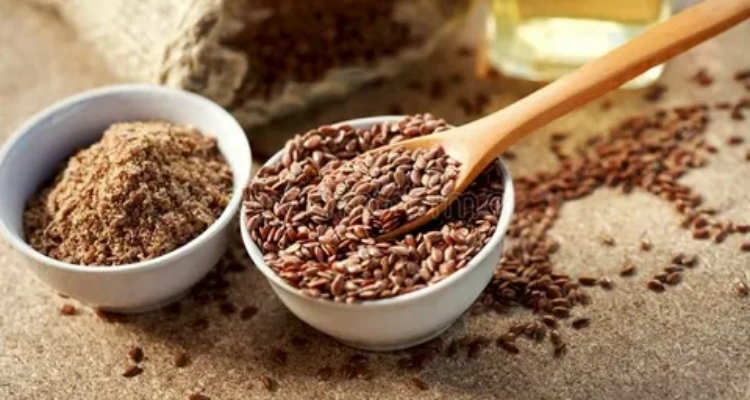
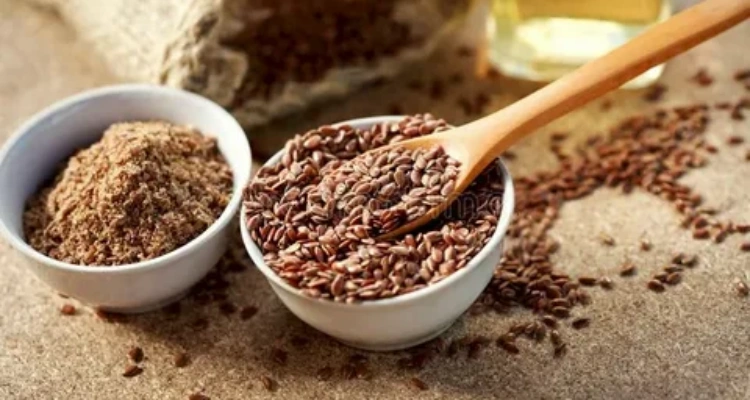
Flaxseeds are rich in lignans, which have estrogen-balancing properties. They also provide omega-3 fatty acids, which reduce inflammation and support hormone production.
How to Use
- Add ground flaxseeds to smoothies, oatmeal, or yogurt.
- Use flaxseed oil in salad dressings.
Tip: Grind flaxseeds before use to maximize nutrient absorption.
2. Avocados
Why They’re Beneficial
Avocados are packed with healthy fats, which are essential for hormone production. They also contain potassium and fiber, which support overall health.
How to Use
- Spread avocado on toast or add it to salads.
- Blend into smoothies for a creamy texture.
Tip: Pair with a source of vitamin C, like lemon juice, to enhance nutrient absorption.
3. Broccoli
Why It’s Beneficial
Broccoli is a cruciferous vegetable that helps detoxify excess estrogen from the body. It’s also rich in fiber, vitamins, and minerals.
How to Use
- Steam or roast broccoli as a side dish.
- Add to stir-fries or soups.
Tip: Include other cruciferous veggies like cauliflower and Brussels sprouts for variety.
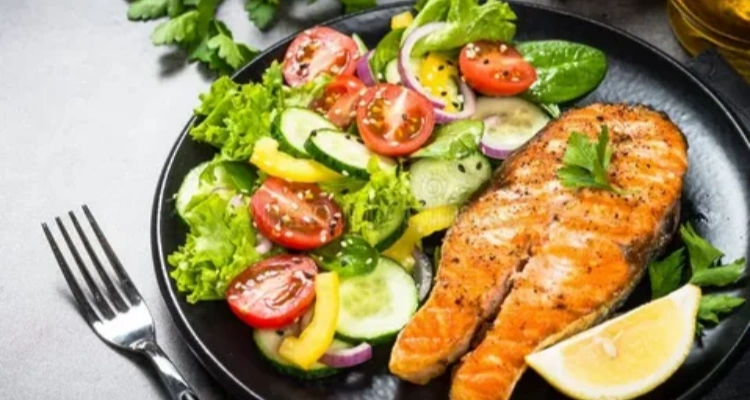
4. Salmon
Why It’s Beneficial
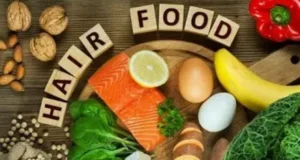
Salmon is an excellent source of omega-3 fatty acids, which reduce inflammation and support hormone production. It also provides vitamin D, which is crucial for hormonal health.
How to Use
- Grill or bake salmon for a main meal.
- Add canned salmon to salads or sandwiches.
Tip: Choose wild-caught salmon for higher nutrient content.
5. Sweet Potatoes
Why They’re Beneficial
Sweet potatoes are rich in beta-carotene, which supports progesterone production. They also provide complex carbohydrates for sustained energy.
How to Use
- Bake or roast sweet potatoes as a side dish.
- Mash them with a touch of cinnamon for a sweet treat.
Tip: Leave the skin on for extra fiber and nutrients.
6. Walnuts
Why They’re Beneficial
Walnuts are a great source of omega-3s and magnesium, which help regulate cortisol (the stress hormone) and support overall hormonal balance.
How to Use
- Snack on a handful of walnuts between meals.
- Add chopped walnuts to oatmeal or baked goods.
Tip: Store walnuts in the fridge to keep them fresh.
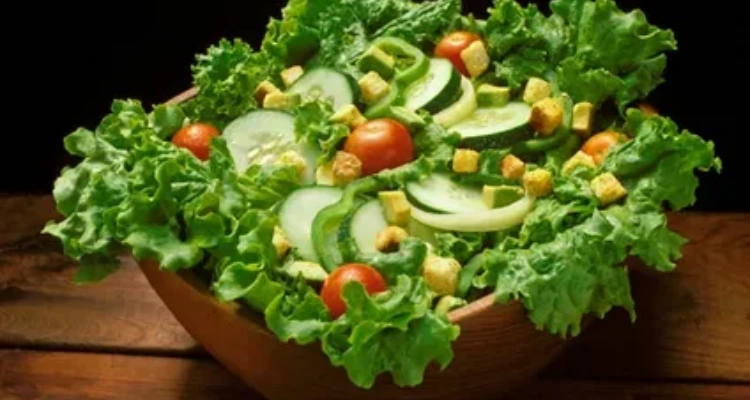
7. Leafy Greens
Why They’re Beneficial
Leafy greens like spinach and kale are rich in magnesium, which helps regulate cortisol and supports thyroid function.
How to Use
- Add spinach or kale to smoothies.
- Make a nutrient-packed salad with mixed greens.
Tip: Pair with a healthy fat, like olive oil, to enhance nutrient absorption.
8. Berries
Why They’re Beneficial
Berries are high in antioxidants, which reduce inflammation and support hormone production. They also provide fiber for digestive health.
How to Use
- Add fresh berries to yogurt or cereal.
- Blend into smoothies or enjoy as a snack.
Tip: Choose organic berries to reduce exposure to pesticides.
9. Pumpkin Seeds
Why They’re Beneficial
Pumpkin seeds are rich in zinc, which supports progesterone production and helps balance hormones.
How to Use
- Sprinkle pumpkin seeds on salads or oatmeal.
- Enjoy as a snack on their own.
Tip: Roast pumpkin seeds with a pinch of sea salt for extra flavor.
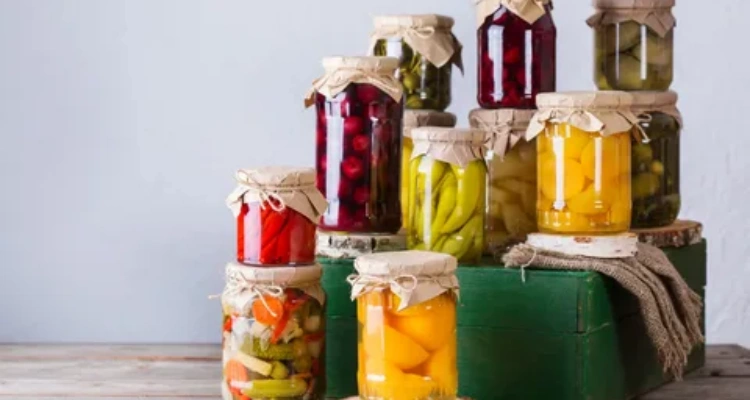
10. Fermented Foods
Why They’re Beneficial
Fermented foods like yogurt, kefir, and sauerkraut support gut health, which is closely linked to hormonal balance.
How to Use
- Add yogurt or kefir to smoothies.
- Include sauerkraut or kimchi as a side dish.
Tip: Start with small portions to allow your gut to adjust.
Summary of Key Points
- Flaxseeds help balance estrogen levels and reduce inflammation.
- Avocados provide healthy fats for hormone production.
- Broccoli detoxifies excess estrogen and supports overall health.
- Salmon is rich in omega-3s and vitamin D for hormonal balance.
- Sweet potatoes support progesterone production and provide energy.
- Walnuts regulate cortisol and provide essential nutrients.
- Leafy greens are rich in magnesium for stress and thyroid support.
- Berries reduce inflammation and provide antioxidants.
- Pumpkin seeds are a great source of zinc for hormone balance.
- Fermented foods support gut health, which is linked to hormonal health.
Conclusion
Balancing hormones doesn’t have to involve drastic measures. By incorporating these natural foods into your diet, you can support your body’s natural rhythms and improve your overall well-being. Remember, small, consistent changes can lead to significant results over time.
Have you tried any of these foods to support your hormonal health? Share your experiences in the comments below, and don’t forget to explore more tips on Your Natural Health for living your best life!
“Found these tips helpful? Share this article with other women and help them discover natural ways to balance their hormones!”