





Introduction
Living with diabetes can be a challenging journey, but nature offers incredible support in the form of medicinal plants. These natural remedies have been used for centuries to help regulate blood sugar levels, offering a complementary approach to modern medicine. In this article, we will explore the power of medicinal plants for diabetes, providing practical insights and proven strategies to improve glucose management naturally.
Explore proven medicinal plants for diabetes, including bitter melon, cinnamon, and fenugreek. Learn how these natural remedies can support blood sugar control and enhance overall health.
What Are Medicinal Plants for Diabetes?
Medicinal plants are nature’s pharmacy, offering a variety of compounds that can positively affect blood sugar regulation. Many of these plants are rich in antioxidants, fiber, and bioactive compounds that help improve insulin sensitivity and reduce inflammation. Integrating these remedies into your routine, under medical supervision, can provide a natural boost to diabetes management.
The Role of Natural Remedies
Unlike synthetic drugs, medicinal plants often work by addressing the root causes of blood sugar imbalances. They can:
- Enhance insulin sensitivity.
- Reduce sugar absorption in the intestines.
- Protect against oxidative stress caused by high glucose levels.
Top Medicinal Plants for Diabetes
1. Bitter Melon
Bitter melon is a tropical fruit often used in traditional medicine to lower blood sugar levels. It contains active compounds like charantin and polypeptide-p, which mimic insulin’s effects and improve glucose uptake.
- Why it works: Reduces blood sugar by improving cellular glucose uptake.
- How to use: Bitter melon can be consumed as juice, capsules, or cooked in meals.

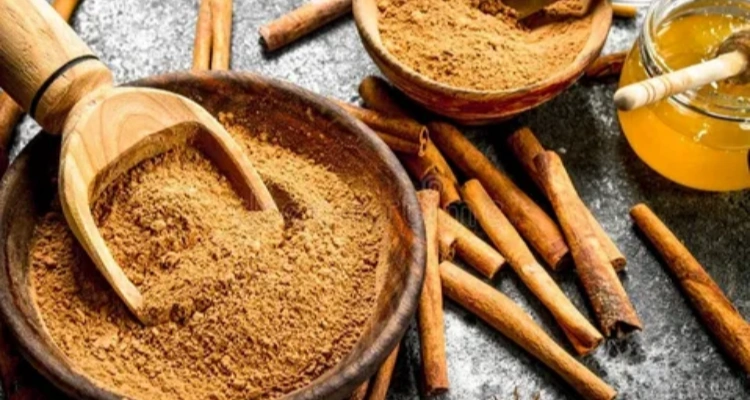
2. Cinnamon
Cinnamon is more than a spice; it’s a potent natural remedy for diabetes. Studies show that it can lower fasting blood glucose and improve insulin sensitivity.
- Why it works: Contains cinnamaldehyde, which boosts insulin receptor activity.
- How to use: Sprinkle cinnamon on oatmeal, add it to tea, or take it as a supplement.
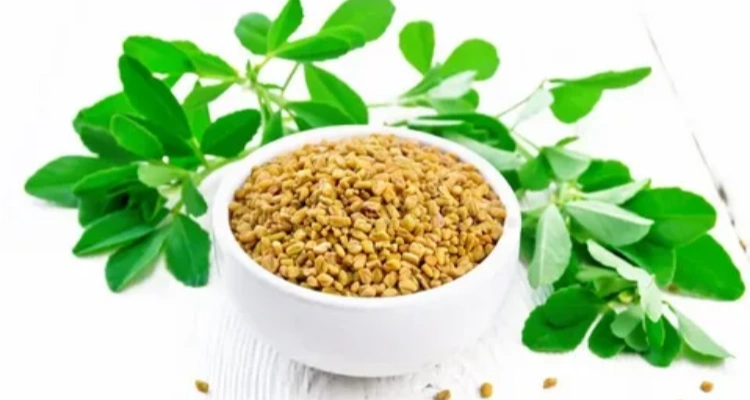
3. Fenugreek
Fenugreek seeds are a rich source of soluble fiber, which helps slow the absorption of carbohydrates and manage blood sugar levels effectively.
- Why it works: Slows digestion and sugar absorption, stabilizing glucose levels.
- How to use: Soak fenugreek seeds overnight and consume them in the morning, or use them in cooking.
4. Aloe Vera
Known for its soothing properties, aloe vera also plays a role in lowering blood sugar. Its gel contains compounds that improve insulin sensitivity and reduce fasting glucose levels.
- Why it works: Contains glucomannan, which regulates blood sugar levels.
- How to use: Consume aloe vera juice or mix the gel into smoothies.

5. Gymnema Sylvestre
Gymnema, often called the “sugar destroyer,” is an herb that reduces sugar cravings and lowers blood sugar levels.
- Why it works: Blocks sugar absorption in the gut and supports insulin production.
- How to use: Take Gymnema as capsules or brew it into tea.

Tips for Safely Using Medicinal Plants
Consult Your Doctor
Before incorporating medicinal plants into your routine, consult with a healthcare provider to ensure they’re safe and won’t interfere with your medications.
Start Slowly
Introduce one remedy at a time to monitor its effects and minimize potential side effects.
Combine with a Healthy Lifestyle
While these plants are beneficial, they work best when combined with a balanced diet, regular exercise, and proper hydration.
Foods and Habits to Avoid
To maximize the benefits of medicinal plants, limit foods that spike blood sugar levels:
- Refined sugars and processed snacks.
- Sugary drinks and alcohol.
- Trans fats found in fried and packaged foods.

Sample Meal Plan Incorporating Medicinal Plants
Breakfast
- Oatmeal with a pinch of cinnamon and a side of fresh fruit.
- Herbal tea infused with fenugreek seeds.
Lunch
- Grilled chicken with a bitter melon stir-fry.
- Quinoa salad with fresh greens and aloe vera juice.
Dinner
- Lentil soup with a sprinkle of Gymnema leaves.
- Sautéed spinach with garlic and olive oil.
Snacks
- A handful of almonds.
- Fresh cucumber slices with a dash of salt and lemon.
Benefits of Medicinal Plants for Diabetes
- Natural support for blood sugar management.
- Reduced dependence on synthetic medications.
- Improved overall health and reduced risk of complications.
Conclusion
Medicinal plants offer a promising natural approach to managing diabetes. By incorporating remedies like bitter melon, cinnamon, and fenugreek into your daily routine, you can take meaningful steps towards better glucose control. Remember, the key to success lies in balance—combine these natural solutions with a healthy lifestyle for the best results.
Summary of Key Points
- Top Plants: Bitter melon, cinnamon, fenugreek, aloe vera, Gymnema Sylvestre.
- Usage Tips: Consult a doctor, start slowly, and combine with lifestyle changes.
- Avoid: Refined sugars, trans fats, and processed foods.
Have you tried any of these medicinal plants for diabetes? Share your experience in the comments below and explore more natural health tips on our website!