

Inflammation is a natural response by your body to protect itself from harm, but when it becomes chronic, it can lead to a host of health issues, from arthritis to heart disease. Enter turmeric, a golden spice celebrated for its anti-inflammatory properties. At the heart of turmeric’s power is curcumin, its active compound. But does curcumin live up to the hype? In this article, we’ll explore whether curcumin is truly effective against inflammation, diving into the science to separate fact from fiction. By focusing on Your Natural Health, you’ll learn how this natural remedy can fit into your wellness routine.
Discover the science behind turmeric’s curcumin and its effectiveness against inflammation. Learn how this natural compound can support your health, backed by research.
The Golden Spice: A Brief History of Turmeric
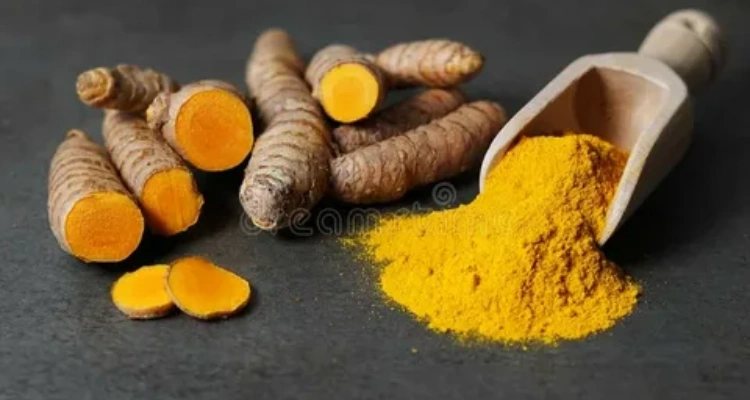
Turmeric has been a cornerstone of traditional medicine for thousands of years, particularly in Ayurveda and Traditional Chinese Medicine. Known for its vibrant color and earthy flavor, turmeric is more than just a culinary staple—it’s a healing powerhouse.
The secret to turmeric’s benefits lies in curcumin, a bioactive compound that gives the spice its bright yellow hue. But what does modern science say about curcumin’s ability to combat inflammation? Let’s dive into the research to uncover the truth.
The Science Behind Curcumin
1. What Is Curcumin?
Curcumin is a polyphenol, a type of antioxidant that helps protect cells from damage caused by free radicals. It’s the primary active ingredient in turmeric, responsible for most of its health benefits.
- Why It Matters: Curcumin has been shown to modulate inflammation at the molecular level, making it a promising natural remedy for chronic inflammatory conditions.
- Key Fact: Curcumin’s bioavailability is relatively low, meaning it’s not easily absorbed by the body. However, combining it with black pepper (which contains piperine) can enhance absorption by up to 2,000%.
The Health Benefits of Curcumin
1. Reduces Chronic Inflammation
Chronic inflammation is linked to many diseases, including heart disease, cancer, and Alzheimer’s. Curcumin’s ability to reduce inflammation is one of its most well-studied benefits.
- The Science: A 2017 review in Foods highlighted curcumin’s ability to inhibit inflammatory molecules like cytokines and enzymes such as COX-2.
- How It Works: Curcumin blocks NF-kB, a molecule that travels into the nuclei of cells and activates genes related to inflammation.
2. Supports Joint Health
Curcumin’s anti-inflammatory properties make it a popular natural remedy for arthritis and joint pain.
- The Science: A 2016 study in Journal of Medicinal Food found that curcumin supplementation significantly reduced pain and improved function in patients with osteoarthritis.
- How It Works: Curcumin reduces the production of inflammatory markers in the joints, alleviating pain and stiffness.
3. Boosts Brain Health
Inflammation and oxidative stress are key contributors to neurodegenerative diseases like Alzheimer’s. Curcumin may help protect the brain.
- The Science: A 2018 study in American Journal of Geriatric Psychiatry found that curcumin improved memory and attention in adults with mild memory loss.
- How It Works: Curcumin crosses the blood-brain barrier and reduces inflammation and amyloid plaques, which are linked to Alzheimer’s.
4. Improves Heart Health
Curcumin’s anti-inflammatory and antioxidant properties can benefit heart health by improving endothelial function and reducing cholesterol levels.
- The Science: A 2017 study in Nutrition Research found that curcumin supplementation improved endothelial function, which is crucial for heart health.
- How It Works: Curcumin reduces inflammation and oxidative stress in blood vessels, promoting better circulation.
5. Aids in Digestive Health
Curcumin can soothe digestive issues by reducing inflammation in the gut.
- The Science: A 2019 review in Nutrients found that curcumin helped reduce symptoms of irritable bowel syndrome (IBS) and inflammatory bowel disease (IBD).
- How It Works: Curcumin modulates gut bacteria and reduces inflammation in the digestive tract.
How to Maximize Curcumin’s Benefits
1. Choose High-Quality Supplements
Not all curcumin supplements are created equal. Look for products with high bioavailability, such as those containing black pepper extract (piperine).
- Tip: Opt for supplements that specify the percentage of curcuminoids (ideally 95% or higher).
2. Incorporate Turmeric into Your Diet
While supplements are effective, adding turmeric to your meals can also provide health benefits.
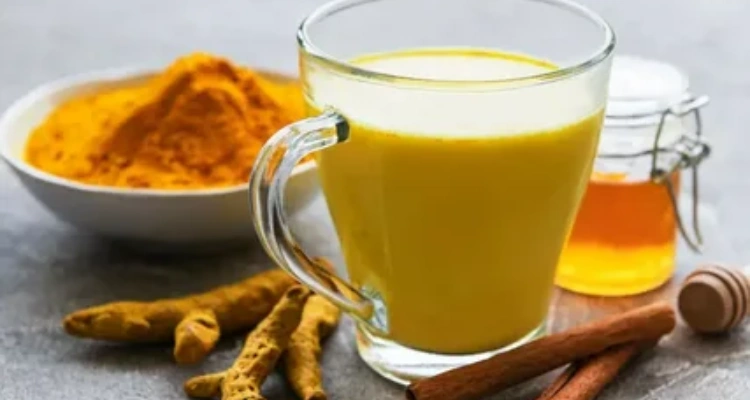
- Tip: Use turmeric in soups, curries, smoothies, or golden milk. Pair it with black pepper and healthy fats (like coconut oil) to enhance absorption.
3. Follow the Recommended Dosage
The typical dosage for curcumin supplements is 500–2,000 mg per day, depending on the formulation.
- Tip: Consult a healthcare professional before starting any new supplement regimen.
4. Combine with Other Anti-Inflammatory Foods
Enhance curcumin’s effects by pairing it with other anti-inflammatory foods like ginger, garlic, and leafy greens.
- Tip: Create a balanced diet rich in whole foods to support overall health.
Resumo Final com Bullet Points
- Reduces Inflammation: Curcumin inhibits inflammatory molecules and enzymes.
- Supports Joint Health: It alleviates pain and stiffness in arthritis.
- Boosts Brain Health: Curcumin improves memory and reduces Alzheimer’s risk.
- Improves Heart Health: It enhances endothelial function and reduces cholesterol.
- Aids Digestion: Curcumin soothes IBS and IBD symptoms.
Conclusion
Curcumin, the active compound in turmeric, is a powerful natural remedy with scientifically proven benefits for inflammation and overall health. By incorporating curcumin into your diet or supplement routine, you can support your body’s natural defenses and promote long-term wellness. Remember, Your Natural Health is within your reach, and curcumin is a simple yet effective tool to help you achieve it.
We’d love to hear from you! Share your experiences with curcumin or turmeric in the comments below. If you found this guide helpful, don’t hesitate to share it with friends and family. Together, let’s embrace the natural benefits of curcumin for a healthier, more vibrant life.