




Green tea has been celebrated for centuries as a health elixir, revered in traditional medicine and modern wellness circles alike. But what makes this humble beverage so powerful? The answer lies in its rich antioxidant content. In this article, we’ll explore what science says about green tea’s antioxidant power and how it can benefit your health. Whether you’re a long-time green tea enthusiast or new to its wonders, this guide will help you understand its true potential and how it can enhance Your Natural Health.
Discover the science behind green tea’s antioxidant power. Learn how this natural beverage can boost your health and well-being, backed by research.
The Timeless Appeal of Green Tea
Green tea has been a cornerstone of traditional medicine in Asia for thousands of years. From ancient Chinese healers to Japanese tea ceremonies, its reputation as a health-promoting drink has stood the test of time. Today, green tea is celebrated worldwide, not just for its soothing flavor but also for its impressive health benefits.
At the heart of green tea’s benefits are its antioxidants—compounds that protect your cells from damage and support overall health. But what does science really say about these antioxidants? Let’s dive into the research and uncover the truth about green tea’s antioxidant power.
The Science Behind Green Tea’s Antioxidants
1. What Are Antioxidants?
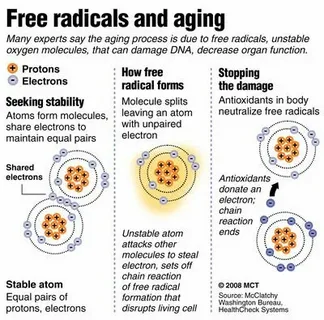
Antioxidants are molecules that neutralize free radicals, unstable atoms that can damage cells and contribute to aging and diseases like cancer and heart disease.
- Why They Matter: By combating oxidative stress, antioxidants help protect your body from chronic conditions and support overall health.
- Key Fact: Green tea is particularly rich in a group of antioxidants called catechins, with epigallocatechin gallate (EGCG) being the most potent.
The Health Benefits of Green Tea’s Antioxidants
1. Boosts Heart Health
Green tea’s antioxidants have been shown to improve cardiovascular health by reducing cholesterol levels and improving blood vessel function.
- The Science: A 2020 meta-analysis in the European Journal of Preventive Cardiology found that regular green tea consumption is associated with a lower risk of heart disease and stroke.
- How It Works: Catechins in green tea help reduce LDL (bad cholesterol) and increase HDL (good cholesterol).
2. Supports Brain Function
Green tea’s antioxidants may protect the brain from oxidative stress and improve cognitive function.
- The Science: A 2017 study in Frontiers in Aging Neuroscience found that EGCG can enhance memory and reduce the risk of neurodegenerative diseases like Alzheimer’s.
- How It Works: EGCG crosses the blood-brain barrier, protecting brain cells and promoting the growth of new neurons.
3. Aids in Weight Management
Green tea is often touted as a natural weight-loss aid, and its antioxidants play a key role.
- The Science: A 2009 study in The American Journal of Clinical Nutrition found that green tea extract can increase fat oxidation and boost metabolic rate.
- How It Works: Catechins and caffeine in green tea work together to enhance fat burning and energy expenditure.
4. Reduces Cancer Risk
The antioxidants in green tea may help protect against certain types of cancer by reducing oxidative damage and inhibiting tumor growth.
- The Science: A 2020 review in Cancer Medicine highlighted the potential of EGCG to suppress cancer cell growth and induce apoptosis (programmed cell death).
- How It Works: EGCG targets cancer cells while leaving healthy cells unharmed.
5. Promotes Skin Health
Green tea’s antioxidants can protect the skin from UV damage and improve its overall appearance.
- The Science: A 2018 study in Nutrients found that green tea polyphenols can reduce inflammation and protect against sun-induced skin damage.
- How It Works: Topical application or consumption of green tea can reduce redness, improve elasticity, and slow signs of aging.
How to Maximize Green Tea’s Antioxidant Benefits
1. Choose High-Quality Green Tea
Not all green teas are created equal. Opt for high-quality, organic varieties to ensure maximum antioxidant content.
- Tip: Look for loose-leaf green tea or matcha, which contains higher levels of catechins compared to tea bags.
2. Brew It Correctly
To preserve green tea’s antioxidants, avoid using boiling water, which can destroy delicate compounds.
- Tip: Steep green tea in water heated to 160–180°F (70–80°C) for 2–3 minutes.
3. Pair It with Vitamin C
Vitamin C enhances the absorption of green tea’s antioxidants.
- Tip: Add a squeeze of lemon or enjoy green tea with citrus fruits.
4. Incorporate It into Your Daily Routine
Consistency is key to reaping green tea’s benefits.
- Tip: Aim for 2–3 cups of green tea daily, or try matcha lattes, smoothies, or even green tea-infused recipes.
Resumo Final com Bullet Points
- Heart Health: Green tea reduces cholesterol and lowers the risk of heart disease.
- Brain Function: Its antioxidants protect against cognitive decline and improve memory.
- Weight Management: Green tea boosts metabolism and aids in fat burning.
- Cancer Prevention: EGCG in green tea may inhibit tumor growth.
- Skin Health: Green tea protects against UV damage and improves skin elasticity.
Conclusion
Green tea’s antioxidant power is more than just a wellness trend—it’s a scientifically backed way to enhance your health naturally. By incorporating green tea into your daily routine, you can protect your cells, boost your energy, and support your overall well-being. Remember, Your Natural Health is within your reach, and green tea is a simple yet powerful tool to help you achieve it.
We’d love to hear from you! Share your favorite green tea recipes or experiences in the comments below. If you found this guide helpful, don’t hesitate to share it with friends and family. Together, let’s embrace the natural benefits of green tea for a healthier, more vibrant life.