

Joint pain is a common challenge for many seniors, often caused by conditions like arthritis, osteoporosis, or general wear and tear. While medications can provide relief, they often come with side effects. Fortunately, there are natural remedies and home-based solutions that can help alleviate joint pain and improve quality of life.
In this article, we’ll explore 10 effective home and natural remedies to relieve joint pain in the elderly. From dietary changes to gentle exercises and herbal treatments, these solutions are safe, practical, and easy to incorporate into daily life.
Discover 10 home and natural remedies to relieve joint pain in the elderly. Learn how to ease discomfort and improve mobility with simple, effective solutions.
Why Joint Pain Is a Concern for Seniors
As we age, the cartilage that cushions our joints naturally wears down, leading to pain, stiffness, and reduced mobility. Conditions like osteoarthritis and rheumatoid arthritis can exacerbate these issues, making everyday activities challenging.
While medications and physical therapy are common treatments, many seniors prefer natural remedies to avoid side effects and promote overall well-being. By addressing joint pain naturally, you can not only reduce discomfort but also support long-term joint health.
1. Anti-Inflammatory Diet
Why It’s Important
An anti-inflammatory diet can help reduce joint pain by lowering inflammation in the body.
What to Include
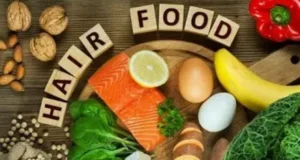
- Fatty Fish: Rich in omega-3 fatty acids, which reduce inflammation.
- Leafy Greens: Packed with antioxidants and vitamins.
- Berries: High in anthocyanins, which have anti-inflammatory properties.
- Nuts and Seeds: Provide healthy fats and magnesium.
What to Avoid
- Processed Foods: High in sugar and unhealthy fats.
- Refined Carbohydrates: Can increase inflammation.
- Excessive Alcohol: May worsen joint pain.

2. Turmeric and Ginger
Why They’re Beneficial
Turmeric contains curcumin, a powerful anti-inflammatory compound, while ginger has been shown to reduce pain and stiffness.
How to Use
- Add turmeric and ginger to soups, teas, or smoothies.
- Take supplements after consulting a healthcare provider.
Tip: Combine with black pepper to enhance curcumin absorption.
3. Epsom Salt Soaks
Why It’s Beneficial
Epsom salt contains magnesium, which helps relax muscles and reduce joint pain.
How to Use
- Dissolve 2 cups of Epsom salt in warm bathwater.
- Soak for 20-30 minutes, 2-3 times a week.
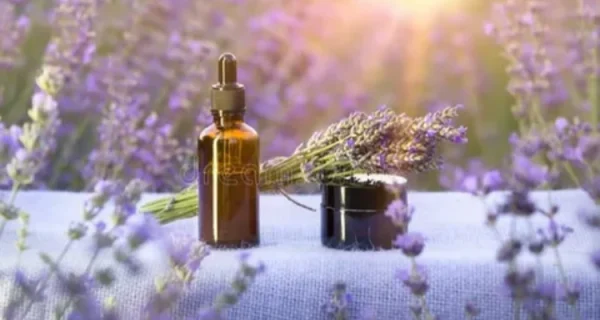
Tip: Add a few drops of lavender essential oil for relaxation.
4. Gentle Exercise
Why It’s Important
Regular movement helps maintain joint flexibility and reduces stiffness.
Best Exercises
- Walking: Low-impact and easy to incorporate into daily routines.
- Yoga: Improves flexibility and reduces stress.
- Tai Chi: Combines gentle movements with mindfulness.
Tip: Start slowly and consult a healthcare provider before beginning a new exercise routine.

5. Hot and Cold Therapy
Why It’s Beneficial
Heat relaxes muscles and improves blood flow, while cold reduces inflammation and numbs pain.
How to Use
- Apply a warm compress or heating pad for 15-20 minutes.
- Use an ice pack wrapped in a towel for 10-15 minutes.
Tip: Alternate between hot and cold treatments for maximum relief.
6. Massage Therapy
Why It’s Beneficial
Massage improves circulation, reduces muscle tension, and promotes relaxation.
How to Use
- Use a gentle, circular motion to massage painful joints.
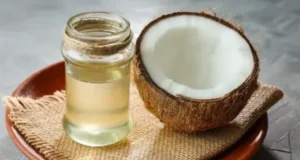
- Apply a natural oil like coconut or olive oil for added comfort.
Tip: Consider professional massage therapy for chronic pain.
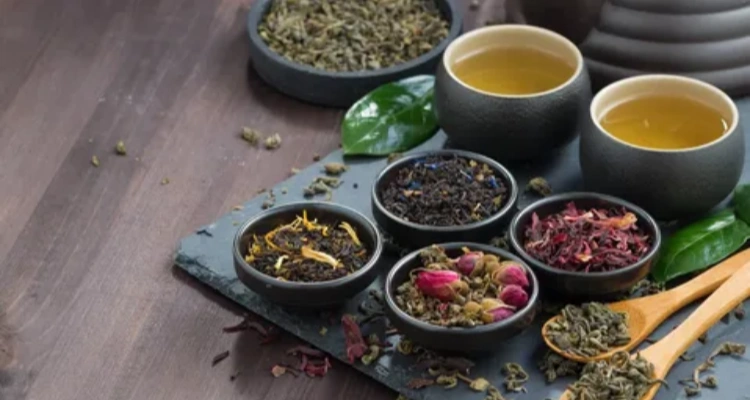
7. Herbal Remedies
Why They’re Beneficial
Certain herbs have anti-inflammatory and pain-relieving properties.
Top Herbs to Try
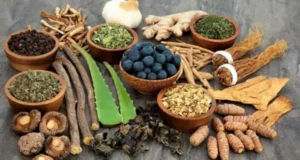
- Boswellia: Reduces inflammation and improves joint function.
- Willow Bark: Acts as a natural pain reliever.
- Devil’s Claw: Eases arthritis pain and stiffness.
How to Use
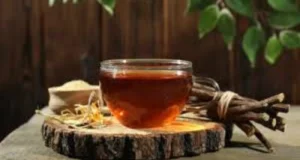
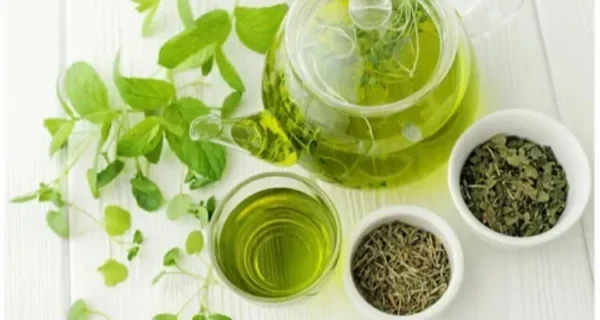
- Brew herbal teas or take supplements as directed.
- Always consult a healthcare provider before starting new herbs.
8. Weight Management
Why It’s Important
Excess weight puts additional stress on joints, worsening pain and inflammation.
How to Manage
- Follow a balanced diet rich in whole foods.
- Incorporate regular, low-impact exercise.
Tip: Work with a nutritionist or healthcare provider to create a personalized plan.
9. Hydration
Why It’s Important
Staying hydrated helps maintain joint lubrication and reduces stiffness.
How to Stay Hydrated
- Drink at least 8 glasses of water daily.
- Include water-rich foods like cucumbers and watermelon.
Tip: Avoid sugary drinks and excessive caffeine.
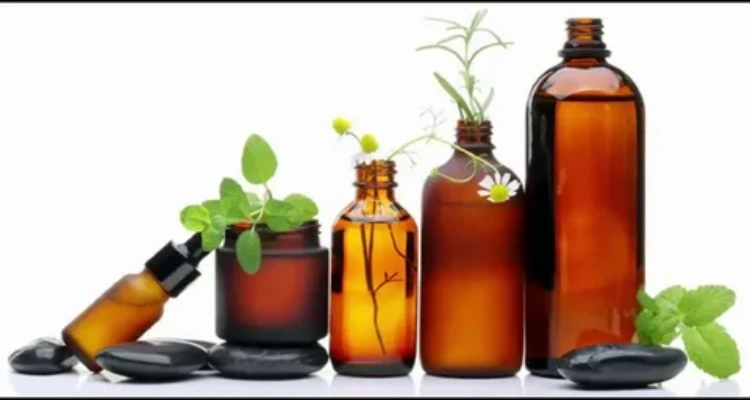
10. Essential Oils
Why They’re Beneficial
Essential oils can provide relief through their anti-inflammatory and pain-relieving properties.
Best Essential Oils
- Peppermint: Provides a cooling effect and reduces pain.
- Eucalyptus: Reduces inflammation and improves circulation.
- Lavender: Promotes relaxation and reduces stress.
How to Use
- Dilute with a carrier oil and massage into painful joints.
- Add a few drops to a diffuser for aromatherapy.
Summary of Key Points
- Follow an anti-inflammatory diet to reduce joint pain.
- Use turmeric and ginger for their natural anti-inflammatory properties.
- Soak in Epsom salt baths to relax muscles and reduce pain.
- Engage in gentle exercises like walking or yoga.
- Apply hot and cold therapy for quick relief.
- Try massage therapy to improve circulation and reduce tension.
- Use herbal remedies like boswellia and willow bark.
- Maintain a healthy weight to reduce joint stress.
- Stay hydrated to keep joints lubricated.
- Use essential oils for pain relief and relaxation.
Conclusion
Joint pain doesn’t have to be a constant struggle. By incorporating these home and natural remedies, seniors can find relief and improve their quality of life. Remember, consistency is key, and it’s always a good idea to consult a healthcare provider before starting any new treatment.
Have you tried any of these remedies? Share your experiences in the comments below, and don’t forget to explore more tips on Your Natural Health for living your best life!
“Found these tips helpful? Share this article with others and help them discover natural ways to relieve joint pain!”