




Women’s intimate health is a topic that often doesn’t get the attention it deserves, yet it plays a crucial role in overall well-being. From maintaining pH balance to preventing infections, taking care of this delicate area requires a thoughtful and natural approach. Many women are turning away from harsh chemicals and synthetic products, seeking instead natural care solutions that are gentle yet effective.
In this article, we’ll explore safe and natural ways to care for your intimate health, including what to use and what to avoid. Whether you’re dealing with discomfort, looking to prevent issues, or simply wanting to adopt a more natural routine, this guide will provide you with practical, evidence-based advice.
Discover natural care tips for women’s intimate health. Learn what to use and what to avoid to maintain balance and prevent discomfort.
Why Natural Care Matters for Intimate Health
The intimate area is home to a delicate ecosystem of bacteria and pH levels that need to stay balanced to prevent infections and discomfort. Harsh soaps, synthetic fabrics, and chemical-laden products can disrupt this balance, leading to issues like yeast infections, bacterial vaginosis, or irritation.
By choosing natural care methods, you can support your body’s natural defenses and maintain a healthy, comfortable environment. Let’s dive into the best practices and products for intimate health.
1. Choose the Right Cleanser
Why It’s Important
The skin in the intimate area is sensitive and requires a gentle cleanser that won’t disrupt its natural pH balance.
What to Use
- pH-Balanced Cleansers: Look for products specifically designed for intimate use with a pH of 3.8 to 4.5.
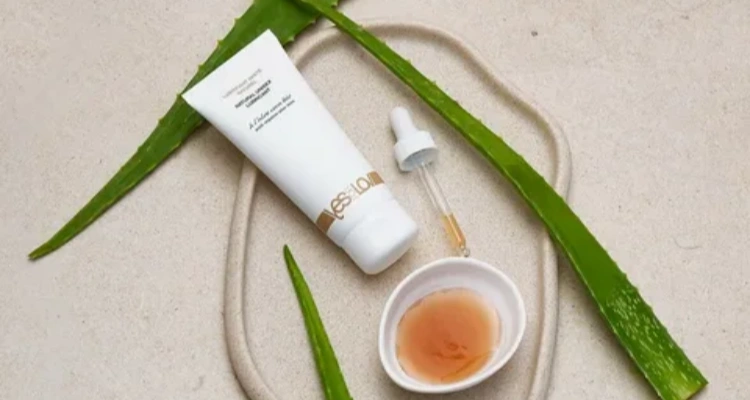
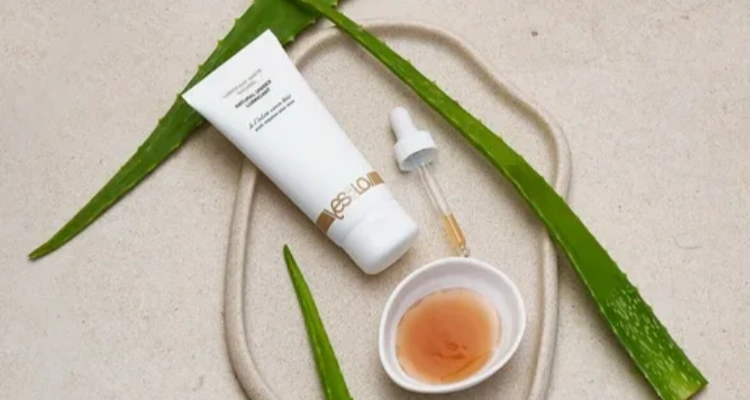
- Natural Ingredients: Aloe vera, chamomile, and calendula are soothing and anti-inflammatory.
What to Avoid
- Harsh Soaps: These can strip away natural oils and disrupt pH balance.
- Fragrances: Synthetic fragrances can cause irritation and allergic reactions.
2. Wear Breathable Fabrics
Why It’s Important
Tight or synthetic fabrics can trap moisture and heat, creating an environment for bacteria and yeast to thrive.
What to Use
- Cotton Underwear: Allows airflow and keeps the area dry.
- Loose-Fitting Clothing: Reduces friction and promotes ventilation.
What to Avoid
- Synthetic Fabrics: Nylon and polyester can trap moisture.
- Tight Clothing: Increases heat and friction, leading to irritation.
3. Stay Hydrated
Why It’s Important
Hydration is essential for overall health, including the mucous membranes in the intimate area.
What to Do
- Drink at least 8 glasses of water daily.
- Include water-rich foods like cucumbers and watermelon in your diet.
Tip: Avoid excessive caffeine and alcohol, as they can dehydrate the body.
4. Use Natural Lubricants
Why It’s Important
Lubricants can prevent discomfort during intimacy, but many commercial products contain chemicals that can cause irritation.
What to Use
- Coconut Oil: A natural, soothing option (avoid if using latex condoms).
- Aloe Vera Gel: Provides hydration and reduces friction.
What to Avoid
- Glycerin-Based Lubricants: Can promote yeast growth.
- Synthetic Additives: May cause allergic reactions.

5. Practice Proper Hygiene
Why It’s Important
Good hygiene is essential for preventing infections and maintaining comfort.
What to Do
- Wash the intimate area with warm water and a gentle cleanser daily.
- Always wipe from front to back after using the toilet.
What to Avoid
- Douching: Disrupts the natural balance of bacteria.
- Overwashing: Can strip away natural oils and cause dryness.
6. Incorporate Probiotics
Why It’s Important
Probiotics support the growth of healthy bacteria, which are essential for maintaining a balanced intimate environment.
What to Use
- Yogurt: Contains live cultures that promote healthy bacteria.
- Probiotic Supplements: Look for strains like Lactobacillus rhamnosus and Lactobacillus reuteri.
How to Incorporate
- Eat yogurt regularly or take a daily probiotic supplement.
- Consider probiotic suppositories for targeted support (consult a healthcare provider first).
7. Avoid Irritants
Why It’s Important
Certain products and habits can irritate the intimate area and disrupt its natural balance.
What to Avoid
- Scented Pads or Tampons: Can cause irritation and allergic reactions.
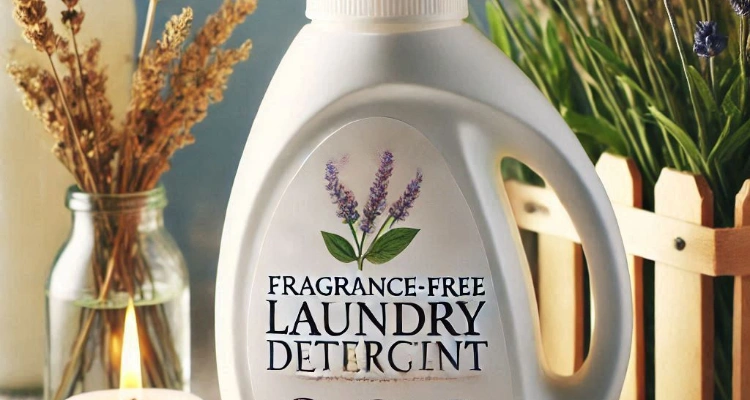
- Harsh Detergents: Use fragrance-free, hypoallergenic options for washing underwear.
- Hot Tubs and Bubble Baths: High temperatures and chemicals can disrupt pH balance.
8. Manage Stress
Why It’s Important
Stress can weaken the immune system, making you more susceptible to infections.
What to Do
- Practice mindfulness or meditation daily.
- Engage in regular physical activity to reduce stress levels.
Tip: Create a calming bedtime routine to improve sleep quality.
9. Eat a Balanced Diet
Why It’s Important
A healthy diet supports overall well-being, including intimate health.
What to Include
- Fruits and Vegetables: Rich in antioxidants and vitamins.
- Whole Grains: Provide fiber for digestive health.
- Lean Proteins: Support tissue repair and immune function.
What to Avoid
- Excessive Sugar: Can promote yeast growth.
- Processed Foods: Often contain additives that can disrupt balance.
10. Know When to Seek Help
Why It’s Important
While natural care can prevent many issues, some symptoms require medical attention.
When to Consult a Doctor
- Persistent itching, burning, or discomfort.
- Unusual discharge or odor.
- Pain during intimacy or urination.

Summary of Key Points
- Use pH-balanced cleansers with natural ingredients like aloe vera.
- Wear breathable fabrics like cotton and avoid tight clothing.
- Stay hydrated to support mucous membranes.
- Choose natural lubricants like coconut oil or aloe vera gel.
- Practice proper hygiene and avoid douching.
- Incorporate probiotics to support healthy bacteria.
- Avoid irritants like scented products and harsh detergents.
- Manage stress through mindfulness and exercise.
- Eat a balanced diet rich in fruits, vegetables, and whole grains.
- Seek medical advice for persistent or unusual symptoms.
Conclusion
Taking care of your intimate health doesn’t have to involve harsh chemicals or complicated routines. By adopting natural care practices, you can maintain balance, prevent discomfort, and support your overall well-being. Remember, small changes can make a big difference over time.
Have you tried any of these natural care tips? Share your experiences in the comments below, and don’t forget to explore more tips on Your Natural Health for living your best life!
“Found these tips helpful? Share this article with other women and help them discover natural ways to care for their intimate health!”