




Introduction
Diabetes is a global health challenge that affects millions of people every year. Managing this condition effectively often involves a combination of medication, diet, and lifestyle changes. Among these, physical activity stands out as one of the most impactful ways to control blood sugar levels and improve overall health. In this article, we explore the undeniable benefits of physical activity in controlling diabetes, offering practical tips and actionable advice to help you integrate movement into your daily life.
Discover how physical activity can transform diabetes management. Learn the best exercises, their benefits, and practical strategies to keep your blood sugar levels in check naturally.
Why Physical Activity is Crucial for Diabetes Management
Physical activity plays a pivotal role in diabetes management. When you engage in regular exercise, your body becomes more sensitive to insulin, allowing cells to absorb glucose more efficiently. Additionally, exercise helps to lower blood sugar levels immediately and over time, reducing the risk of long-term complications associated with diabetes.
How Exercise Impacts Blood Sugar Levels
- Improves Insulin Sensitivity: Physical activity makes your body’s cells more receptive to insulin, helping glucose move out of your bloodstream.
- Reduces Blood Sugar Levels: During exercise, muscles use glucose for energy, directly lowering blood sugar levels.
- Supports Weight Management: Regular movement helps burn calories and maintain a healthy weight, which is crucial for people with type 2 diabetes.
Best Types of Physical Activity for Diabetes
1. Aerobic Exercise
Aerobic activities such as walking, cycling, swimming, and dancing are excellent for cardiovascular health and blood sugar control. Aim for at least 150 minutes of moderate-intensity aerobic exercise each week.

2. Strength Training
Building muscle through weightlifting, resistance bands, or bodyweight exercises can improve glucose metabolism and increase muscle mass, which burns more calories even at rest.

3. Flexibility and Balance Exercises
Activities like yoga and tai chi help reduce stress, improve balance, and enhance overall flexibility, contributing to better diabetes management and reduced fall risk.

4. High-Intensity Interval Training (HIIT)
HIIT involves short bursts of intense activity followed by rest periods. This method is highly effective for improving insulin sensitivity and cardiovascular health in less time.

Practical Tips for Incorporating Physical Activity
Start Small and Build Gradually
If you’re new to exercise, start with manageable activities like a 10-minute walk after meals. Gradually increase the duration and intensity as your fitness improves.
Create a Routine
Consistency is key. Choose specific times each day for physical activity to make it a regular part of your lifestyle.
Find Activities You Enjoy
Whether it’s gardening, dancing, or playing a sport, choosing activities you love ensures you’ll stick with them long-term.
Monitor Your Blood Sugar
Check your blood sugar levels before and after exercise to understand how your body responds and to prevent hypo- or hyperglycemia.
Foods to Fuel Your Workouts
To maximize the benefits of physical activity, pair it with proper nutrition. Focus on balanced meals that provide energy and stabilize blood sugar levels.
- Before Exercise: A small snack like a banana or whole-grain toast with peanut butter.
- After Exercise: A combination of protein and carbohydrates, such as a smoothie with yogurt and berries.

Common Challenges and How to Overcome Them
Lack of Time
Incorporate short bursts of activity into your day. For instance, take the stairs instead of the elevator or do squats while watching TV.
Physical Limitations
Choose low-impact exercises like swimming or chair-based workouts if mobility is a concern.
Motivation
Join a group or find a workout buddy to stay accountable and make exercise more enjoyable.
Benefits of Physical Activity Beyond Blood Sugar Control
Regular exercise offers numerous additional benefits for people with diabetes:
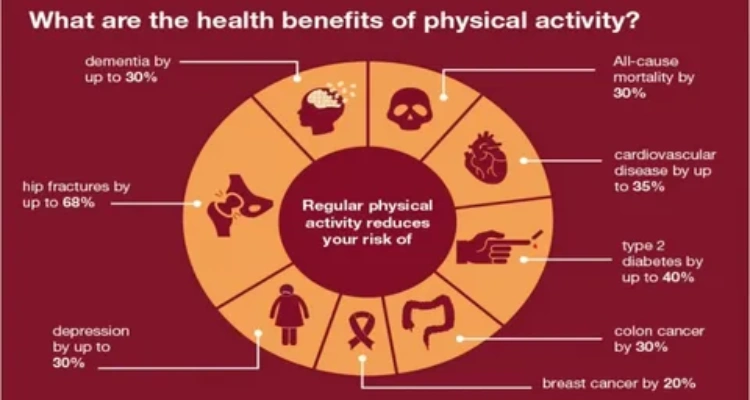
- Improved Heart Health: Reduces the risk of cardiovascular diseases.
- Enhanced Mental Well-being: Decreases stress, anxiety, and depression.
- Better Sleep Quality: Promotes restful sleep, which is essential for blood sugar regulation.
- Increased Energy Levels: Boosts stamina and reduces fatigue.

Conclusion
Physical activity is a powerful tool in the fight against diabetes. By incorporating regular exercise into your routine, you can significantly improve blood sugar control, enhance your overall health, and reduce the risk of complications. Remember to start small, stay consistent, and choose activities you enjoy. With time, these changes will become a natural and rewarding part of your life.
Summary of Key Points
- Top Activities: Aerobic exercise, strength training, flexibility exercises, and HIIT.
- Practical Tips: Start small, create a routine, and find enjoyable activities.
- Additional Benefits: Better heart health, improved mental well-being, and increased energy levels.
How has physical activity improved your diabetes management? Share your experiences in the comments below and explore more health tips on our website!