




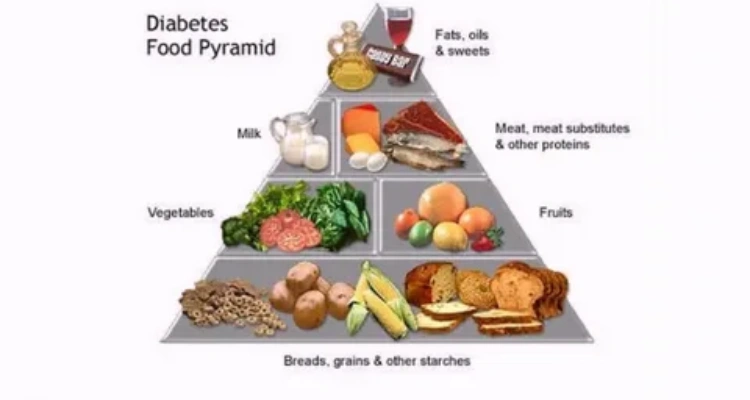
Managing diabetes can be a challenging journey, but adopting the right dietary approach can make all the difference. Among the various options available, the low-carb diet has gained recognition for its potential to stabilize blood sugar levels and improve overall health. This article will explore how a low-carb diet can be a valuable ally in controlling diabetes, offering practical advice and insights to help you make informed decisions.
Discover how the low-carb diet can help control diabetes. Learn about its benefits, practical meal ideas, and how to balance it for optimal blood sugar management and health.
Introduction
Living with diabetes often means making significant lifestyle changes to maintain healthy blood sugar levels. For many, this can feel overwhelming, but it doesn’t have to be. The low-carb diet offers a straightforward and effective strategy to manage glucose levels and reduce the risk of complications. By focusing on reducing carbohydrate intake and prioritizing nutrient-dense foods, you can achieve better control over your condition. In this article, we’ll break down the benefits of a low-carb diet and guide you on how to incorporate it into your life seamlessly.
What Is a Low-Carb Diet?
A low-carb diet limits the intake of carbohydrates, emphasizing proteins, healthy fats, and non-starchy vegetables. Commonly associated with weight loss, this dietary approach has also been extensively studied for its impact on blood sugar levels, making it particularly beneficial for people with type 2 diabetes.
Key Features of a Low-Carb Diet:
- Carbohydrate Restriction: Reduces high-glycemic foods such as bread, pasta, and sugary snacks.
- Protein Focus: Incorporates lean meats, fish, eggs, and plant-based proteins.
- Healthy Fats: Encourages consumption of sources like avocados, nuts, and olive oil.
- Non-Starchy Vegetables: Prioritizes vegetables such as spinach, broccoli, and zucchini.
How Does the Low-Carb Diet Benefit Diabetes Management?
Stabilizes Blood Sugar Levels
When you eat carbohydrates, your body breaks them down into glucose, which enters the bloodstream. High-carb meals can cause significant spikes in blood sugar, leading to increased insulin demand. A low-carb diet minimizes these fluctuations, helping to maintain steady glucose levels throughout the day.
Improves Insulin Sensitivity
Insulin resistance is a hallmark of type 2 diabetes. Research indicates that reducing carb intake can enhance the body’s response to insulin, making it easier to regulate blood sugar.
Aids Weight Management
Excess weight is a major risk factor for diabetes. Low-carb diets often lead to weight loss, which further improves blood sugar control and reduces the risk of complications.
Reduces the Risk of Complications
By keeping blood sugar levels in check, a low-carb diet helps lower the risk of long-term complications such as neuropathy, kidney disease, and cardiovascular issues.
Practical Tips for Starting a Low-Carb Diet
1. Know Your Carb Limit
The definition of “low-carb” can vary. Some individuals aim for less than 50 grams of carbs per day, while others may go up to 100 grams. Work with a healthcare provider to determine the best target for you.
2. Plan Your Meals
- Breakfast: Start your day with eggs and avocado or a low-carb smoothie.
- Lunch: Opt for a salad with grilled chicken, nuts, and olive oil dressing.
- Dinner: Enjoy baked salmon with a side of roasted asparagus.
- Snacks: Choose almonds, cheese sticks, or celery with peanut butter.
3. Read Food Labels
Check nutritional labels to identify hidden sugars and carbs in packaged foods. Avoid processed items and opt for whole, unprocessed ingredients whenever possible.
4. Stay Hydrated
Drinking plenty of water supports overall health and helps mitigate potential side effects of a low-carb diet, such as dehydration or electrolyte imbalances.
Foods to Include on a Low-Carb Diet
Proteins:
- Lean meats: Chicken, turkey, and beef.
- Fish and seafood: Salmon, mackerel, and shrimp.
- Eggs: A versatile and low-carb staple.
Healthy Fats:
- Avocados
- Nuts and seeds: Almonds, walnuts, chia seeds.
- Oils: Olive oil, coconut oil, and avocado oil.
Vegetables:
- Non-starchy options: Spinach, kale, broccoli, zucchini, and cauliflower.
- Fermented vegetables: Sauerkraut and kimchi.
Dairy and Alternatives:
- Full-fat yogurt (unsweetened)
- Cheese: Cheddar, mozzarella, and Parmesan.
- Milk alternatives: Unsweetened almond or coconut milk.
Foods to Avoid on a Low-Carb Diet
High-Glycemic Carbs:
- Sugary drinks: Sodas, juices, and sweetened teas.
- Refined grains: White bread, pasta, and rice.
- Pastries and desserts: Cakes, cookies, and candies.
Processed Foods:
- Packaged snacks: Chips, crackers, and energy bars.
- Frozen meals: Often high in hidden carbs.
Unhealthy Fats:
- Trans fats: Found in fried and processed foods.
Common Challenges and How to Overcome Them
Initial Fatigue
Some individuals experience fatigue or irritability when starting a low-carb diet. This is often temporary and can be alleviated by staying hydrated and increasing salt intake.
Social Situations
Navigating meals at restaurants or social gatherings can be tricky. Choose dishes like grilled proteins with vegetables, and don’t hesitate to ask for substitutions.
Cravings
Sugar cravings may occur during the initial phase. Combat this by eating satisfying, nutrient-dense meals and allowing yourself occasional low-carb treats.
Sample Meal Plan for a Day
Breakfast:
- Scrambled eggs with spinach and feta cheese.
- Black coffee or unsweetened tea.
Lunch:
- Grilled chicken Caesar salad (without croutons).
Snack:
- Handful of almonds and a slice of cheddar cheese.
Dinner:
- Grilled salmon with roasted Brussels sprouts and a side of mashed cauliflower.
Final Thoughts
The low-carb diet offers a practical and effective way to manage diabetes. By focusing on nutrient-dense foods and avoiding high-glycemic carbs, you can take control of your blood sugar levels and improve your overall health. While it may take some adjustment, the benefits are undeniable. Start small, stay consistent, and remember that every positive change you make is a step toward better health.
If you found this article helpful, share it with someone who might benefit. Let us know in the comments about your experience with low-carb diets or your favorite low-carb recipes—we’d love to hear from you!