





Introduction
Achieving radiant, hydrated skin doesn’t have to involve harsh chemicals or expensive products. In fact, some of the most effective solutions can be found in nature. Natural oils such as coconut oil, jojoba oil, and rosehip oil offer a chemical-free way to nourish your skin deeply. These oils are packed with vitamins, antioxidants, and essential fatty acids that cater to various skin types and needs. In this guide, we’ll explore the properties of these oils, their benefits, and how to incorporate them into your skincare routine.
Discover the best natural oils for deep skin hydration, including coconut, jojoba, and rosehip oil. Learn their benefits and practical uses for glowing skin.
Why Natural Oils Are Ideal for Skin Hydration
Natural oils have been used for centuries as a remedy for dry and damaged skin. Unlike synthetic products, they are free from harmful chemicals and work in harmony with your skin’s natural processes. Moreover, they are rich in nutrients that repair, protect, and hydrate the skin. By choosing the right oils for your skin type, you can address issues like dryness, irritation, and uneven texture.
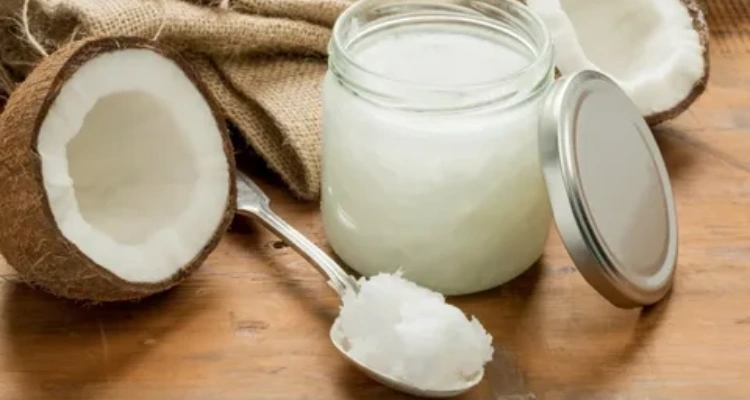
Coconut Oil: A Versatile Moisturizer
Properties of Coconut Oil
Coconut oil is a powerhouse of hydration, packed with medium-chain fatty acids like lauric acid, which penetrates the skin deeply. Additionally, it contains vitamin E and antioxidants that help combat free radical damage.
Benefits for Skin
- Hydration: Coconut oil locks in moisture, making it ideal for dry skin.
- Healing Properties: Its antibacterial and antifungal properties promote healing in cracked or irritated areas.
- Softness: Regular use leaves the skin feeling soft and smooth.
How to Use Coconut Oil
- Apply a thin layer to damp skin after a shower for maximum absorption.
- Use it as a base for DIY body scrubs by mixing it with sugar or coffee grounds.
Jojoba Oil: Nature’s Skin Balancer
Properties of Jojoba Oil
Jojoba oil closely resembles the skin’s natural sebum, making it an excellent moisturizer for all skin types. It’s rich in vitamins E and B-complex, as well as minerals like zinc and copper.
Benefits for Skin
- Balance: Regulates oil production, making it suitable for both oily and dry skin.
- Non-Comedogenic: Doesn’t clog pores, reducing the risk of acne.
- Anti-Inflammatory: Soothes redness and irritation caused by conditions like eczema.
How to Use Jojoba Oil
- Massage a few drops into your face and neck after cleansing.
- Add it to your favorite moisturizer for an extra hydration boost.

Rosehip Oil: The Anti-Aging Elixir
Properties of Rosehip Oil
Extracted from the seeds of wild rose bushes, rosehip oil is loaded with vitamins A and C, as well as essential fatty acids. Its lightweight consistency makes it suitable for daily use.
Benefits for Skin
- Anti-Aging: Reduces the appearance of fine lines and wrinkles.
- Brightening: Improves skin tone and texture by boosting cell regeneration.
- Healing: Fades scars and hyperpigmentation over time.
How to Use Rosehip Oil
- Pat a few drops onto clean skin before applying your night cream.
- Mix it with aloe vera gel for a soothing, hydrating face mask.

How to Choose the Right Oil for Your Skin Type
Dry Skin
- Opt for heavier oils like coconut or avocado oil.
- Use them overnight to maximize hydration.
Oily or Acne-Prone Skin
- Stick to lightweight, non-comedogenic oils like jojoba or grapeseed oil.
- Apply sparingly to avoid excess shine.
Sensitive Skin
- Choose calming options such as chamomile or argan oil.
- Perform a patch test before full application.

Tips for Incorporating Natural Oils into Your Routine
- Start Small: Introduce one oil at a time to observe how your skin reacts.
- Mix and Match: Blend oils for customized benefits—for example, combine coconut oil with a drop of tea tree oil for added antibacterial protection.
- Use Sparingly: A little goes a long way; too much can leave the skin feeling greasy.
- Store Properly: Keep oils in a cool, dark place to preserve their properties.
Common Myths About Natural Oils
Myth 1: Oils Make Skin Greasier
While it might seem counterintuitive, using the right oils can balance sebum production and actually reduce greasiness.
Myth 2: All Oils Are the Same
Each oil has unique properties. For instance, coconut oil is heavier and more occlusive, while rosehip oil is lightweight and fast-absorbing.
Myth 3: Oils Are Only for Dry Skin
Natural oils can benefit all skin types, including oily and combination skin, when used correctly.
Summary of Key Takeaways
- Coconut Oil: Ideal for deep hydration and softness.
- Jojoba Oil: Balances sebum and works for all skin types.
- Rosehip Oil: Brightens, heals, and combats aging signs.
- Introduce oils gradually and customize their use based on your skin’s needs.
Ready to transform your skincare routine with the power of natural oils? Share your experiences or favorite oil tips in the comments below! Don’t forget to explore our other guides for more natural skincare inspiration.