


Reiki, an ancient Japanese healing technique, has gained global attention for its ability to promote relaxation, balance energies, and support holistic health. Rooted in the belief that universal life energy flows through us, Reiki aims to remove blockages and restore harmony within the body and mind. But how does this energy therapy truly work, and why is it becoming a popular choice for stress relief and emotional healing? Let’s dive into the world of Reiki to understand its transformative potential.
Discover the transformative power of Reiki! Learn how this ancient energy therapy promotes relaxation, balances energies, and improves overall well-being. Perfect for reducing stress and enhancing mental clarity.
What is Reiki? Understanding the Basics
Reiki, a term derived from two Japanese words “Rei” (universal) and “Ki” (life energy), represents the practice of channeling energy through gentle touch. This non-invasive therapy was developed in the early 20th century by Mikao Usui, who believed that accessing universal energy could help individuals achieve physical, emotional, and spiritual well-being. Practitioners of Reiki act as conduits, allowing energy to flow into the recipient’s body, dissolving blockages and enhancing natural healing processes.
This holistic approach focuses on energy fields within and around the body. Unlike conventional treatments, Reiki doesn’t require physical manipulation or medication, making it an appealing option for those seeking a natural pathway to wellness.
How Does Reiki Work? The Science of Energy Therapy
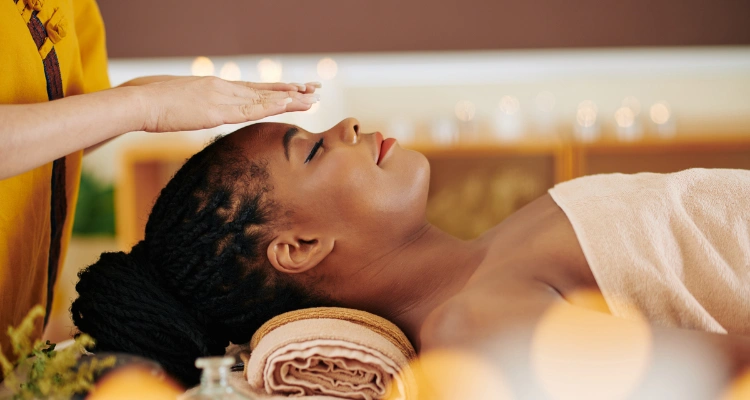
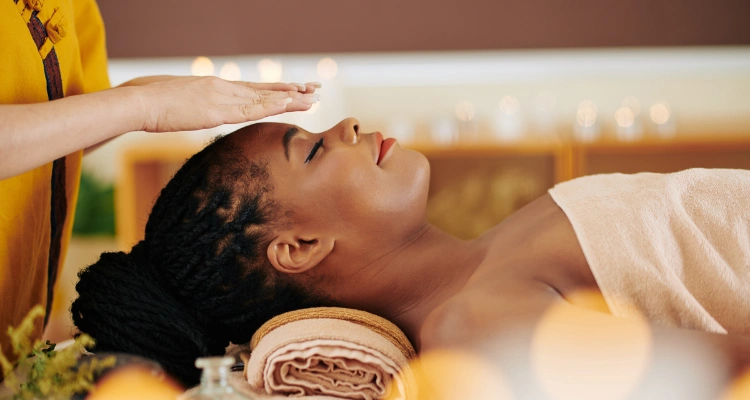
At its core, Reiki operates on the principle that energy imbalances contribute to stress, illness, and emotional distress. By channeling universal life force energy, practitioners aim to realign the body’s energetic fields, promoting balance and vitality. During a session, the recipient lies fully clothed while the practitioner places their hands lightly on or above specific areas of the body. The goal is to facilitate the free flow of energy, allowing the body’s innate healing mechanisms to activate.
Although scientific understanding of Reiki remains limited, studies suggest that it stimulates the parasympathetic nervous system, reducing stress and fostering relaxation. Additionally, Reiki may influence heart rate variability and cortisol levels, which are indicators of stress and overall well-being.
The Benefits of Reiki for the Body and Mind
1. Deep Relaxation and Stress Reduction
One of the most immediate effects of Reiki is a profound sense of calm. The gentle energy flow helps release tension and quiet the mind, creating a state of relaxation comparable to meditation. For individuals experiencing chronic stress, Reiki provides a sanctuary to reset and recharge.
2. Relief from Chronic Pain
Chronic pain, whether from migraines, fibromyalgia, or back issues, often resists conventional treatments. Reiki offers a complementary approach by addressing the energetic imbalances that may underlie physical discomfort. Many recipients report reduced pain levels after regular sessions, highlighting its potential as a supportive therapy.
3. Emotional Healing and Anxiety Management
Reiki is particularly effective in easing emotional turmoil. By calming the nervous system and promoting energetic balance, it helps alleviate anxiety, depression, and emotional blockages. The therapy’s soothing nature encourages self-awareness and emotional release, paving the way for inner peace.
4. Enhanced Sleep Quality
Insomnia and restless nights often stem from stress and overactive minds. Reiki helps quiet mental chatter and relax the body, making it easier to drift into restorative sleep. Improved sleep contributes to overall health and resilience.
5. Supporting Recovery from Illness
While Reiki is not a replacement for medical treatment, it can complement conventional therapies by enhancing the body’s natural healing processes. Patients recovering from surgery, chemotherapy, or chronic illnesses often find Reiki beneficial in reducing side effects and promoting overall well-being.
What to Expect During a Reiki Session
If you’re new to Reiki, you might wonder what a typical session entails. First, the practitioner will discuss your needs and intentions, creating a personalized approach. Sessions usually last 45 to 90 minutes, during which you lie comfortably while the practitioner uses specific hand placements to channel energy. Many recipients describe feeling warmth, tingling, or gentle waves of energy, though experiences vary.
The environment is typically serene, with soft lighting and calming music to enhance relaxation. Post-session, recipients often feel rejuvenated, peaceful, and more in tune with their emotions.
Who Can Benefit from Reiki?
Reiki’s universal approach makes it suitable for people of all ages and backgrounds. Whether you’re seeking relief from physical ailments, emotional struggles, or simply want to enhance your overall energy balance, Reiki offers a pathway to greater harmony. It’s also a valuable tool for caregivers, healthcare professionals, and anyone navigating high-stress environments.
How to Incorporate Reiki into Your Wellness Routine
For those intrigued by Reiki, integrating it into a wellness routine can be transformative. Start by finding a certified practitioner with experience and a style that resonates with you. Regular sessions can deepen your connection to the practice and yield cumulative benefits.
Additionally, some individuals choose to learn Reiki themselves, empowering them to self-heal and support loved ones. Training programs, often structured in levels, provide the tools needed to channel energy effectively.
Common Myths and Misconceptions About Reiki
1. “Reiki is a Religious Practice.”
Reiki is spiritual but not tied to any religion. It’s open to all belief systems, focusing solely on energy and healing.
2. “You Need to Believe in Reiki for it to Work.”
While an open mind enhances the experience, Reiki works independently of belief. Energy flows naturally, supporting the recipient’s well-being regardless of skepticism.
3. “Reiki Can Cure All Illnesses.”
Reiki is not a cure but a complementary therapy. It supports the body’s natural healing and pairs well with medical treatments.
Scientific Studies on Reiki’s Effectiveness
Emerging research highlights Reiki’s potential benefits. For example, studies show its effectiveness in reducing anxiety among hospital patients and improving quality of life for those with chronic conditions. As interest grows, further research aims to unravel the mechanisms behind Reiki’s impact.
A Closer Look: Reiki’s Impact on Energy Balance
At its heart, Reiki addresses disruptions in energy flow. Life experiences, stress, and trauma can create blockages, leading to physical and emotional distress. Reiki acts as a gentle realignment, restoring the body’s energetic equilibrium and enhancing vitality.
How to Choose a Reiki Practitioner
Selecting the right practitioner is crucial for a meaningful experience. Look for certifications, client testimonials, and an approach that aligns with your needs. A good practitioner will prioritize your comfort, explain the process, and create a safe, welcoming space.
Final Thoughts: Embracing Reiki for Holistic Health
Reiki’s gentle yet profound approach to healing offers a unique way to nurture both body and mind. By promoting relaxation, balancing energies, and supporting natural healing, Reiki invites you to embark on a journey of self-discovery and wellness. Whether you’re new to energy therapy or seeking a deeper connection to yourself, Reiki provides a powerful tool for transformation.
Key Takeaways
- Reiki is a holistic energy therapy that promotes relaxation, energy balance, and emotional healing.
- Benefits include stress reduction, pain relief, enhanced sleep, and support for recovery from illness.
- Reiki is accessible to all, regardless of age or belief system, and complements traditional medical treatments.
- Regular sessions and training opportunities can deepen your connection to this transformative practice.
- Choosing a certified practitioner ensures a safe and enriching experience.
Ready to explore the healing power of Reiki? Share your thoughts or experiences in the comments below, and don’t forget to check out our other wellness resources for more insights into holistic health!