




Your Natural Health, Digestive Health
Discover the benefits of a high-fiber diet in preventing constipation and promoting your natural health. Learn how fiber supports your digestive health and explore practical tips for incorporating it into your diet.
Introduction
Have you ever felt the frustration and discomfort of constipation? It’s a common issue that affects many people, disrupting daily life and causing significant distress. But did you know that a high-fiber diet can be the key to preventing constipation and promoting your overall digestive health? In this article, we’ll delve into the importance of dietary fiber, how it benefits your digestive system, and practical ways to incorporate more fiber into your diet. Join us on this journey to better understand and embrace your natural health and digestive health.
What is Dietary Fiber?
Your Natural Health, Digestive Health
Dietary fiber is a type of carbohydrate found in plant-based foods that the body cannot digest. Unlike other carbohydrates that are broken down and absorbed, fiber passes through the digestive system relatively intact. At the start of the second paragraph, let’s delve into the specifics. There are two main types of dietary fiber: soluble and insoluble. Both types play essential roles in maintaining a healthy digestive system.
Types of Dietary Fiber
- Soluble Fiber: This type of fiber dissolves in water to form a gel-like substance. It can help lower cholesterol levels and regulate blood sugar. Sources include oats, beans, lentils, and fruits.
- Insoluble Fiber: This type of fiber does not dissolve in water. It adds bulk to the stool and helps food pass more quickly through the stomach and intestines. Sources include whole grains, vegetables, and nuts.
The Benefits of a High-Fiber Diet
Your Natural Health, Digestive Health
Incorporating more fiber into your diet can bring numerous benefits to your digestive health and overall well-being. Here’s how a high-fiber diet can support your natural health and digestive health:
Prevents Constipation
Fiber adds bulk to the stool, making it easier to pass and preventing constipation. It helps keep the digestive system regular and reduces the risk of hemorrhoids and diverticular disease.
Improves Gut Health
A high-fiber diet supports the growth of beneficial gut bacteria. These bacteria produce short-chain fatty acids that nourish the cells lining the colon, promoting overall gut health.
Controls Blood Sugar Levels
Soluble fiber slows down the absorption of sugar, helping to control blood sugar levels and reducing the risk of developing type 2 diabetes.
Lowers Cholesterol Levels
Soluble fiber binds to cholesterol particles and helps remove them from the body, reducing overall cholesterol levels and promoting heart health.
Aids in Weight Management
High-fiber foods are more filling and take longer to digest, which can help control appetite and reduce overall calorie intake, aiding in weight management.
Top High-Fiber Foods to Include in Your Diet
Your Natural Health, Digestive Health
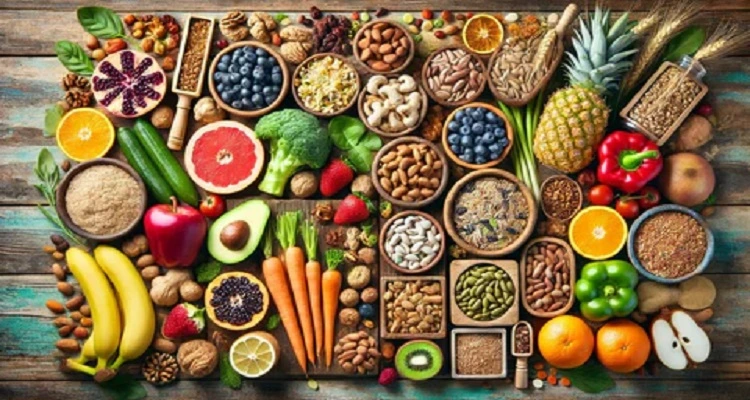
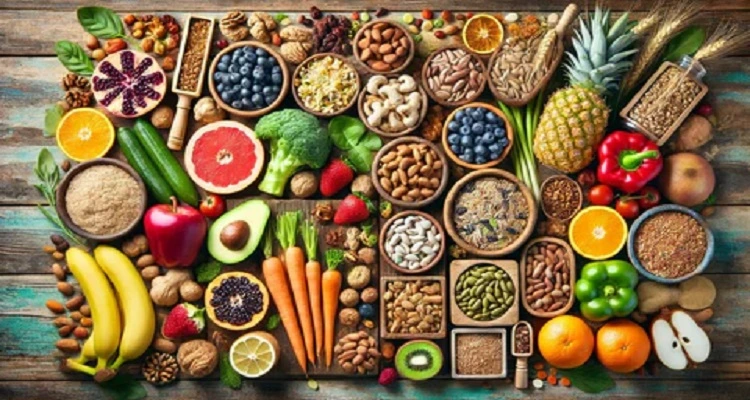
Now that we understand the benefits of fiber, let’s explore some of the top high-fiber foods that you can easily incorporate into your diet.
Fruits
Fruits are an excellent source of fiber, vitamins, and antioxidants. Some high-fiber fruits include:
- Apples: With their skin on, apples provide a good amount of both soluble and insoluble fiber.
- Berries: Raspberries, blackberries, and strawberries are packed with fiber and low in calories.
- Pears: Like apples, pears are best eaten with the skin on for maximum fiber content.
Vegetables
Vegetables are rich in fiber, vitamins, and minerals. Some high-fiber vegetables include:
- Broccoli: This cruciferous vegetable is high in fiber and various nutrients.
- Carrots: A crunchy and convenient source of fiber.
- Spinach: Leafy greens like spinach are excellent sources of fiber and other essential nutrients.
Whole Grains
Whole grains retain all parts of the grain kernel, providing more fiber than refined grains. Some high-fiber whole grains include:
- Oats: A great source of soluble fiber, oats can be enjoyed as oatmeal, in smoothies, or as an ingredient in baked goods.
- Quinoa: This versatile grain is high in fiber and protein.
- Brown Rice: A nutritious alternative to white rice, offering more fiber and nutrients.
Legumes
Legumes are an excellent source of fiber, protein, and various vitamins and minerals. Some high-fiber legumes include:
- Beans: Varieties such as black beans, kidney beans, and lentils are fiber powerhouses.
- Chickpeas: These can be used in various dishes, including hummus, salads, and soups.
- Peas: A simple and tasty way to add fiber to your meals.
Nuts and Seeds
Nuts and seeds provide a healthy dose of fiber, along with healthy fats and protein. Some high-fiber nuts and seeds include:
- Almonds: A handful of almonds makes a nutritious and fiber-rich snack.
- Chia Seeds: These tiny seeds can be added to smoothies, yogurt, or oatmeal for an extra fiber boost.
- Flaxseeds: Ground flaxseeds can be incorporated into baked goods, smoothies, and cereals.

How to Incorporate More Fiber into Your Diet
Your Natural Health, Digestive Health
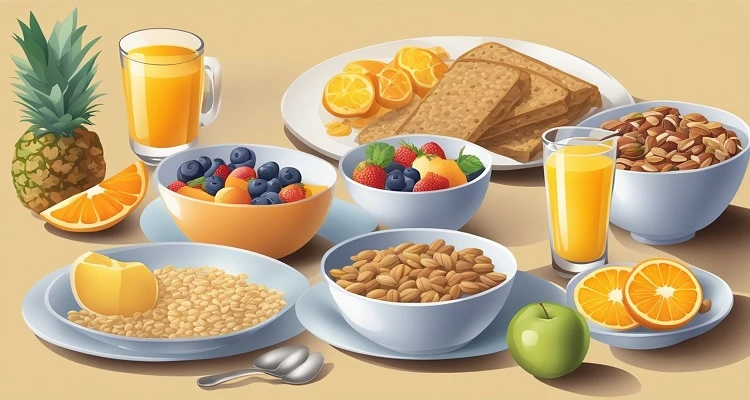
Increasing your fiber intake doesn’t have to be difficult. Here are some practical and delicious ways to add more fiber to your diet:
Breakfast
- Start your day with a bowl of oatmeal topped with berries and chia seeds.
- Add a piece of fruit, such as an apple or pear, to your morning routine.
Lunch
- Enjoy a salad with a variety of vegetables, including leafy greens, carrots, and broccoli.
- Add beans or chickpeas to your salad for an extra fiber boost.
Dinner
- Opt for whole grain options, such as brown rice or quinoa, instead of refined grains.
- Include a serving of vegetables with your main course.
Snacks
- Snack on raw vegetables with hummus for a fiber-rich treat.
- Enjoy a handful of nuts or a piece of fruit as a quick and healthy snack.
Tips for Maximizing the Benefits of Fiber
Your Natural Health, Digestive Health
To get the most out of your high-fiber diet, consider these tips:
Increase Fiber Gradually
Sudden increases in fiber intake can cause bloating and gas. Gradually increase your fiber intake to give your digestive system time to adjust.
Drink Plenty of Water
Fiber absorbs water, so it’s important to stay hydrated to help fiber move smoothly through your digestive system and prevent constipation.
Balance Fiber Sources
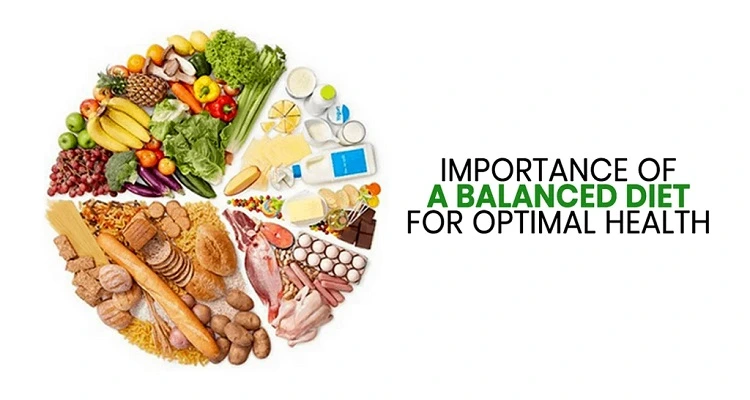
Include a variety of fiber sources in your diet to ensure you’re getting both soluble and insoluble fiber.
Be Mindful of Portions
While fiber is beneficial, it’s important to consume it in appropriate portions. Overeating high-fiber foods can lead to digestive discomfort.
Conclusion
A high-fiber diet is a powerful tool for preventing constipation and promoting your natural health and digestive health. By incorporating a variety of fiber-rich foods into your diet, you can enjoy better digestion, improved gut health, and overall well-being. Remember to increase fiber gradually, stay hydrated, and balance your fiber sources. Embrace the power of fiber and take a step towards a healthier, happier you.
Key Points:
- What is Dietary Fiber?: Types of fiber and their roles in digestion.
- Benefits of a High-Fiber Diet: Prevents constipation, improves gut health, controls blood sugar levels, lowers cholesterol, aids in weight management.
- Top High-Fiber Foods: Fruits, vegetables, whole grains, legumes, nuts, and seeds.
- Incorporating Fiber: Practical ways to add fiber to breakfast, lunch, dinner, and snacks.
- Maximizing Benefits: Gradual increase, staying hydrated, balancing fiber sources, being mindful of portions.